
Garage door rollers typically last 2 to 15 years before replacement, with the exact lifespan depending on the material and quality of the rollers installed. That range exists because rollers absorb friction and weight with every open-and-close cycle, and the gap between a low-grade roller and a high-grade one can span more than a decade.
The material a roller is made of changes everything about how long it lasts under regular use. A residential garage door equipped with sealed-bearing rollers can outlast one with basic plastic rollers by over 10 years, and knowing which type is installed makes it much easier to plan for replacement before a breakdown happens.
Why Do Garage Door Rollers Fail Before Their Expected Lifespan?
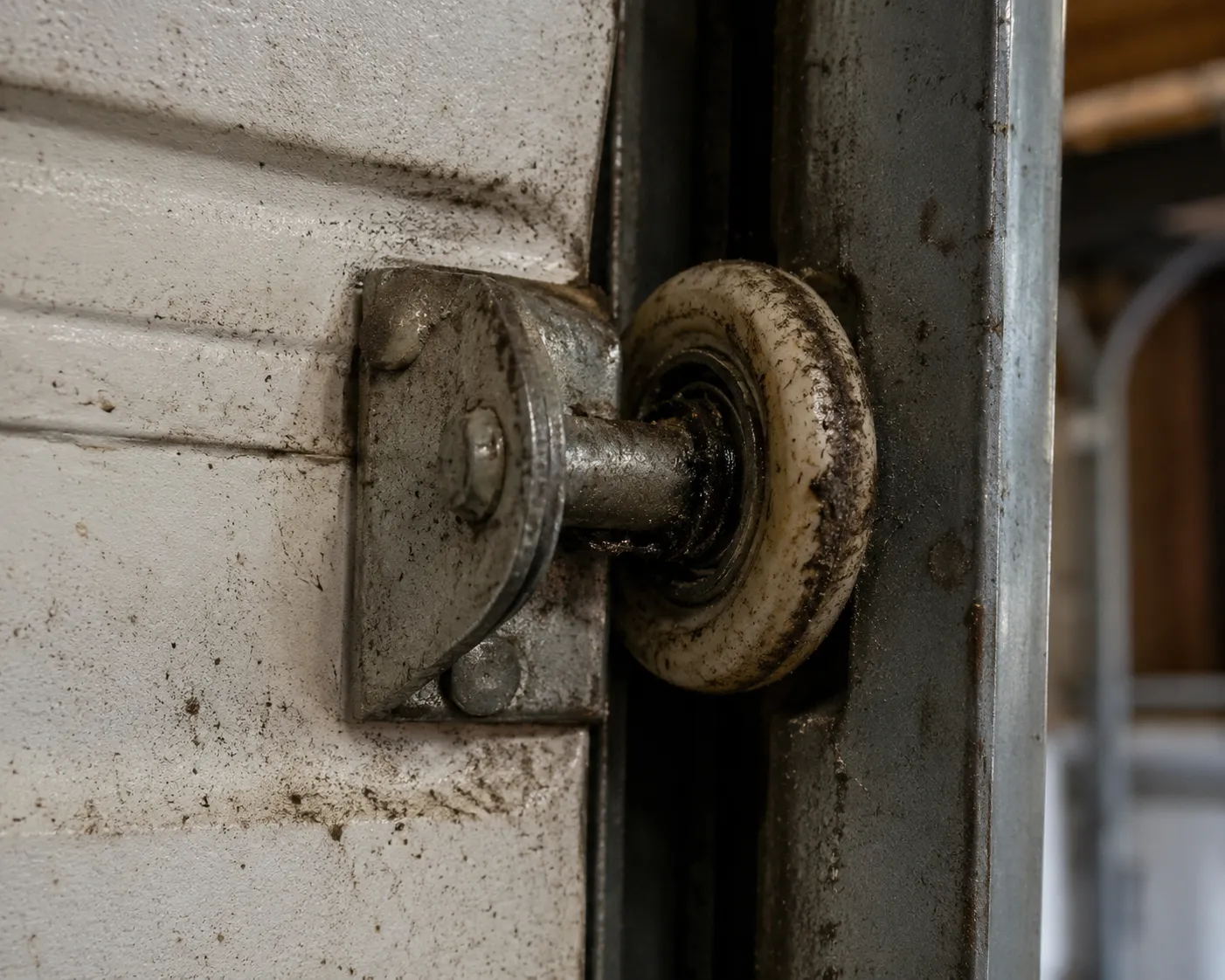
Garage door rollers wear out due to a mix of friction, weather exposure, and daily use that gradually breaks down the wheel and its internal components, and pinpointing the exact cause helps explain why some rollers fail years before others.
Common reasons garage door rollers wear out faster than expected include:
- Constant friction against the track wears down the roller surface with every cycle.
- Dirt and debris collect inside the track and grind against the roller over time.
- Extreme temperature swings cause certain materials to become brittle and crack.
- Missing or dried-out lubricant increases friction on both the roller and the track.
- An opener that pulls unevenly places extra strain on specific rollers rather than distributing the load evenly.
To understand how these everyday stress factors gradually lead to complete roller failure, read our guide on What Causes Garage Door Rollers to Wear Out Fast?, which breaks down each specific cause in more detail.
How Long Do Different Types of Garage Door Rollers Last?
Plastic or Nylon Rollers Without Bearings (2 to 3 Years)
Builder-grade doors typically come equipped with plastic or nylon rollers, giving them a short lifespan of only 2 to 3 years under normal daily use.
Watch for these patterns:
- Wobbling grows noticeable as the wheel surface wears down
- Cold weather makes the material brittle and prone to cracking
- Grinding sounds develop once the surface wears unevenly
- Upfront cost stays low compared to other roller types
- Insulated doors wear these rollers down at a faster rate
Homeowners with this roller type should expect to replace it well before the decade mark, especially on doors used multiple times a day.
Standard Steel Rollers Without Bearings (3 to 5 Years)
Steel rollers without an internal bearing system last around 3 to 5 years and hold up better under weight than plastic.
Common issues with this roller type include:
- Rust and corrosion develop steadily in humid conditions
- Squeaking grows louder as metal wears against itself
- Lubrication needs increase compared to bearing-equipped versions
- Wear progresses faster than any bearing-equipped design
- Durability improves over plastic, though it still falls short of premium options
Rust and squeaking like this are often what prompt a homeowner to schedule a garage door repair before the roller fails completely.
Steel Rollers With Ball Bearings (5 to 7 Years)
Steel rollers with 7 to 13 ball bearings typically last 5 to 7 years, or 5,000 to 10,000 open-and-close cycles.
Performance traits of this roller type include:
- Insulated and double car doors run with steadier motion
- Friction drops noticeably compared to non-bearing designs
- Noise levels stay moderate during regular operation
- Wear resistance improves over standard steel without bearings
- Lubricant applied occasionally keeps the motion smooth over time
Households seeking greater durability than standard steel often choose this tier during a garage door replacement, rather than stepping up to a full premium system.
Nylon Rollers With Sealed Ball Bearings (10 to 15+ Years)
Sealed ball-bearing nylon rollers rank among the highest-quality rollers on the market today, often lasting 10 to 15 years or more.
Advantages of this roller type include:
- Quiet operation stands out compared to steel wheel designs
- Corrosion resistance comes from a sealed bearing cage
- Lubricant needs drop since dirt stays out of the bearing
- Stem lengths vary to fit different track configurations
- Long-term value often outweighs the higher upfront cost
Choosing this roller type during a new garage door installation typically costs more upfront but reduces the need for replacement for well over a decade.
What Factors Affect How Long Garage Door Rollers Last?
Garage door rollers wear at different rates depending on climate, usage, and how consistently they get maintained.
These factors make the biggest difference in overall lifespan:
- Climate and humidity speed up rust and corrosion on unsealed rollers
- Frequent daily use adds more wear cycles to the roller and track
- Heavier insulated doors place extra strain on each roller wheel
- Skipped lubrication increases friction and shortens roller life
- Inconsistent maintenance allows small issues to go unnoticed for longer
Rollers exposed to heavier use and less maintenance typically wear out well before reaching their maximum expected lifespan.
What Happens If Garage Door Rollers Replacement Is Delayed?
Delaying garage door rollers replacement after noticing clear signs of wear often turns a minor fix into a bigger mechanical problem.
Ignoring these warning signs can lead to the following outcomes:
- A door that sticks or jerks can eventually come off the track
- Extra strain on one roller often transfers stress to nearby hardware
- Continued grinding can damage the track and require separate repairs
- A struggling door puts added pressure on the garage door opener
- Small alignment issues can affect the entire door’s balance over time
To notice these warning signs early and avoid a bigger repair down the line, read our guide on What Are the Signs of Bad Garage Door Rollers?, which walks through exactly what to check and when to act.
How Do Professionals Approach Garage Door Rollers Replacement?
Replacing garage door rollers takes more skill than simply pulling out an old wheel and dropping in a new one.
A professional evaluation typically includes the following steps:
- Every roller, hinge, and track section gets checked for visible wear
- The door balance gets assessed to see if springs or cables need attention
- Opener performance gets reviewed for any signs of added strain
- Track alignment gets confirmed to keep rollers moving in a straight path
- Roller type gets recommended based on door weight and household use
Spring tension must be released carefully before the hardware comes off, since a misaligned track can quickly wear down even brand-new rollers.
How to Care for Garage Door Rollers After Replacement
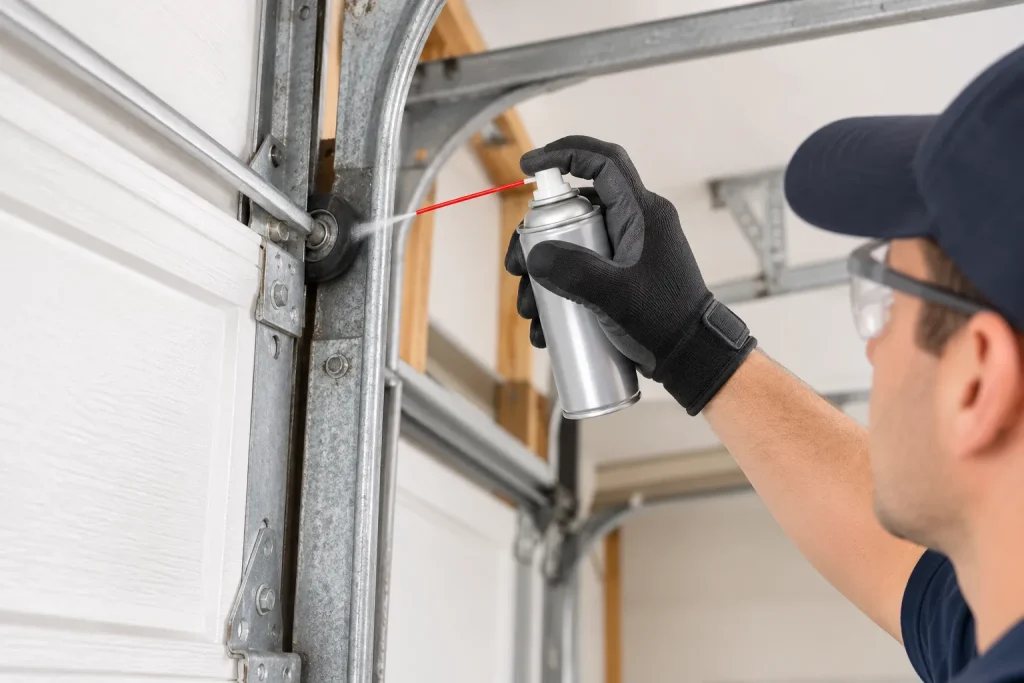
New garage door rollers can last well over a decade, but only with some basic ongoing care built into the household routine.
Simple habits like these help extend roller life:
- Silicone-based lubricant applied every few months keeps friction to a minimum
- Tracks wiped down regularly prevent dirt and debris buildup
- Unusual noises should be checked before they get worse
- Annual inspections catch small issues before they grow
- Excessive force on a stuck door should always be avoided
To learn the full maintenance routine and keep every part working smoothly, read our guide on How to Care for Garage Door Rollers Properly, which walks through the exact steps to protect the investment.
Replacing Garage Door Rollers on Time Keeps the Whole System Running
Garage door rollers wear down at different rates, and knowing their expected lifespan helps homeowners plan for replacement before a breakdown happens. Recognizing the signs early and understanding what affects lifespan keeps the entire door system operating as it was designed to.
Affordable Garage Door Repairs of Indianapolis, LLC helps homeowners spot early roller wear and get the right replacement before small issues turn into bigger ones. Contact us or give us a call today, and let our team assess what the system needs to keep every part running smoothly.