
A garage door goes through hundreds of open-and-close cycles every year, putting constant stress on the springs, cables, tracks, and hardware that hold the system together. Following a garage door maintenance checklist helps homeowners catch worn components and failing seals before they turn into costly repairs.
Skipping routine inspections allows small issues, such as damaged rollers and deteriorating seals, to quietly grow into problems that affect the safety and performance of the door. This checklist covers every component that needs consistent attention and walks through exactly what to inspect, test, and address.
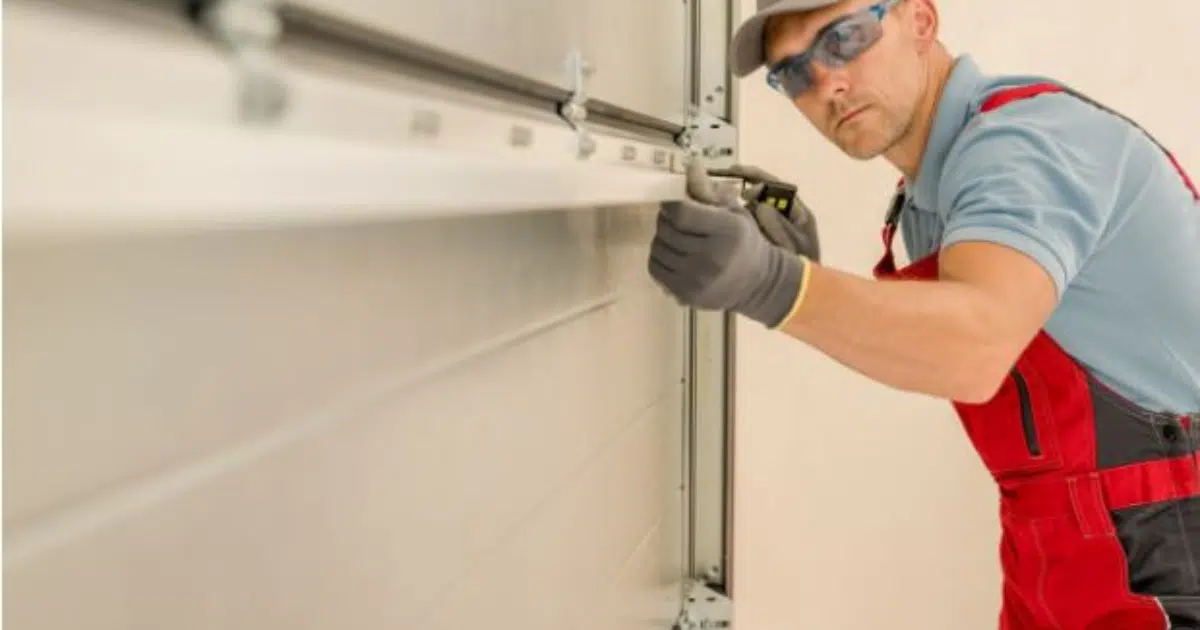
Why Is Regular Garage Door Maintenance Essential?
Garage door maintenance is the routine process of inspecting, lubricating, and testing every component of the door system to keep it operating safely and efficiently before problems develop.
Regular garage door maintenance is essential because:
- Costly repairs are prevented by catching worn components early
- Door lifespan extends by keeping springs and cables in good condition
- Household safety stays protected by ensuring sensors and springs function correctly
- Energy efficiency improves by keeping seals intact and blocking moisture
- Unexpected breakdowns are avoided by identifying early warning signs on time
To understand why a structured approach makes all the difference, read our guide on the Benefits of Following a Garage Door Maintenance Checklist, which covers every advantage homeowners gain from following a consistent routine.
Do Homeowners Really Need a Garage Door Maintenance Checklist?
A garage door maintenance checklist keeps every inspection structured, consistent, and thorough from start to finish.
Homeowners truly need a garage door maintenance checklist because:
- It removes guesswork by giving every inspection a clear and consistent process
- Hidden wear gets caught early on springs, lift cables, and roller brackets
- A service history is created that helps technicians diagnose issues faster
- Safety hazards are identified before worn parts cause injury or damage
- Emergency repairs are avoided by addressing potential issues at the right time
Without a consistent checklist, minor wear turns into a garage door repair that could have been avoided with a simple routine inspection.
What a Garage Door Maintenance Checklist Includes
Visual Inspection
Starting with a visual inspection gives homeowners a clear picture of the door’s condition before any tools are picked up.
Check these components during every visual inspection:
- Door panels need to be examined for dents, rust, and warping
- Nuts and bolts on hinges and brackets require tightening when loose
- Lift cables should be checked for fraying or rust along their length
- Weather stripping needs to be inspected for cracks or separation from the frame
- Both tracks must be scanned for bends, debris, or gaps
Flagged components from this inspection show homeowners exactly where the door needs attention next.
Cleaning and Lubrication
Proper lubrication protects moving parts on the garage door system and prevents friction damage that builds up silently between service visits.
Focus on these cleaning and lubrication tasks:
- Tracks wiped down with a damp rag without applying lubricant inside
- Hinges treated with silicone-based lubricant at pivot points to eliminate squeaking
- Rollers are lubricated along the stem and bearing for smooth track movement
- Torsion springs are given a light coating to prevent corrosion and stress cracking
- Opener drive chain or belt lubricated per manufacturer specifications
Consistent lubrication keeps the garage door system running with minimal noise between professional service visits.
Safety Tests
Safety testing confirms that the protective features of the garage door system function correctly and that the door responds predictably in every situation.
Run these safety tests during every maintenance visit:
- Balance test performed by disconnecting the opener and lifting the door to the halfway point
- Auto-reverse feature tested by placing a piece of wood in the door’s path during closing
- Photo-eye sensors tested by waving a broomstick in front of them while closing
- Sensor lenses wiped with a soft cloth to confirm the beam is properly aligned
- Emergency release cord checked to confirm it disengages and re-engages without issue
A proper garage door safety check confirms that every safety feature from the original garage door installation is working correctly.
Troubleshooting and Upgrades
Evaluating the automatic opener and its controls reveals components that may require attention or planned upgrades.
Cover these troubleshooting and upgrade checks:
- Opener remotes and wall pad were tested on each device for consistent response
- Slow-responding remotes indicate weak batteries, causing missed signals
- Backup battery tested to confirm operation during a power outage
- Force settings checked to ensure the door stops when it meets resistance
- Older opener models flagged for a planned automatic garage door opener upgrade
Addressing these findings during routine maintenance helps keep the automatic garage door opener operating at full capacity between professional visits.
How Often Should Homeowners Follow a Garage Door Maintenance Checklist?
Following a consistent schedule is what keeps the entire garage door system in good condition through every Indianapolis season.
Frequency | Who It Applies To | Why It Matters |
Once a year | Households with standard daily use | Covers full lubrication, hardware checks, and safety testing |
Twice a year | Households using the door more than ten times daily | Faster wear requires more frequent inspection of moving parts |
Every season | Doors exposed to extreme temperature shifts in Indianapolis | Seasonal changes affect seals, springs, and opener performance |
Every six months | Systems older than ten years | Aging components need closer monitoring as they approach the end of life |
After severe weather | Doors that may have sustained impact or seal damage | Storm debris and impact can shift tracks and compromise seals |
To explore what each service interval should cover, read our guide on How Often Should Homeowners Do Garage Door Maintenance?, which breaks down the right frequency for every household.
The Benefits of Sticking to a Maintenance Routine
A consistent garage door maintenance routine delivers results that protect every part of the door system from daily wear.
Homeowners who follow a regular maintenance routine benefit from:
- Extended door lifespan by keeping springs, cables, and moving parts in good condition
- Improved household safety by ensuring sensors and the auto-reverse feature function correctly
- Better energy efficiency by keeping seals and weather stripping intact
- Stronger home security through properly aligned hardware and sensors
- Peace of mind knowing the door has been inspected, tested, and cleared for daily use
A consistent maintenance routine is the most effective way to delay garage door replacement and extend the full lifespan of the system.
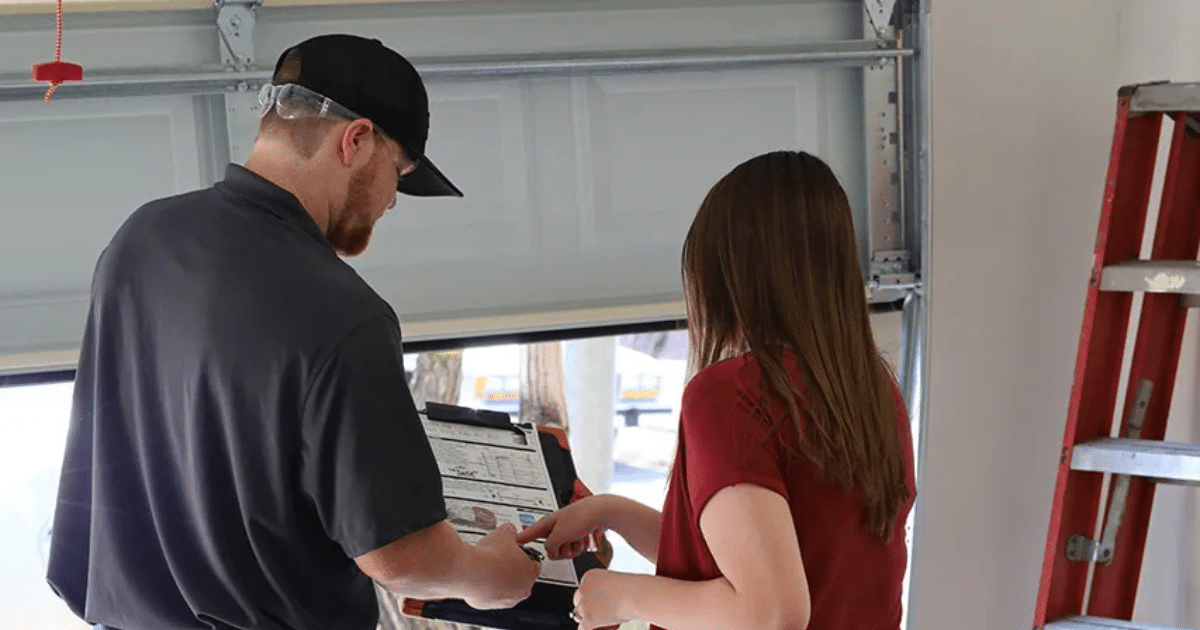
Checklist Red Flags That Mean It Is Time to Call a Pro
A garage door maintenance checklist reveals problems that go beyond routine upkeep and require immediate professional attention.
Watch for these red flags during every inspection:
- Torsion springs or extension springs showing visible wear, gaps in the coils, or uneven tension
- Lift cables that are fraying, rusting, or sitting loosely off the drum
- Unusual noises that persist after a full lubrication pass on all moving parts
- A door that reverses without obstruction, moves unevenly, or will not stay closed
- Opener force settings that fail to stop the door when it meets resistance
To find out which maintenance tasks homeowners can handle and which ones require a trained technician, read our guide on Garage Door Maintenance: DIY or Hire a Pro?, which covers every task that demands professional garage door repair services.
Follow This Garage Door Maintenance Checklist and Keep Your Door in Top Condition
A garage door maintenance checklist gives Indianapolis homeowners a structured process for inspecting, lubricating, and testing every component of the door system. Working through this checklist consistently ensures potential issues get addressed before they demand immediate attention.
Affordable Garage Door Repairs of Indianapolis, LLC is the team Indianapolis homeowners trust for professional garage door services, from routine inspections to full installation and repair. Contact us or give us a call today to schedule a professional visit and let our team keep every part of your door system running at its best.