
Garage door maintenance covers a wide range of tasks, and not all of them carry the same level of difficulty or risk. Handling the wrong component without proper training can turn a routine checkup into a situation that causes serious injury or leads to costly repairs that could have been avoided.
Knowing who handles what keeps a garage door functioning properly and avoids unnecessary repairs over time. This article breaks down every angle of that decision so homeowners can approach each maintenance task with the right knowledge, the right expectations, and full confidence in the outcome.
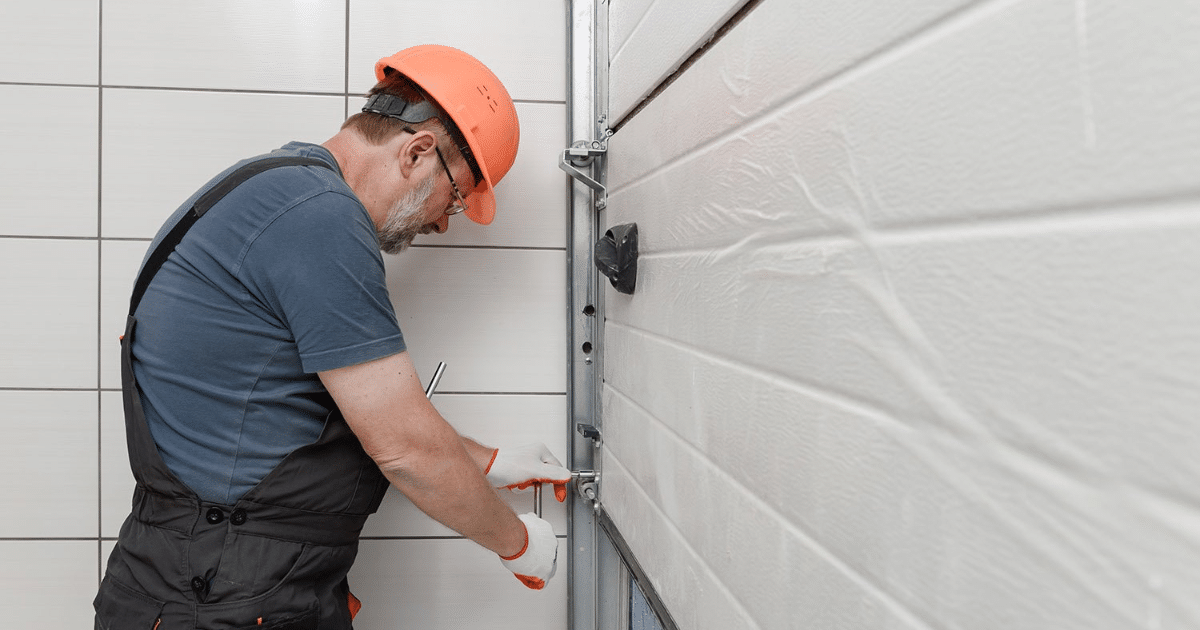
Does It Matter Who Handles Garage Door Maintenance?
Garage door maintenance involves more than surface-level tasks, and the components that keep the system running carry real consequences when handled by the wrong person without the right tools or training.
It matters who handles garage door maintenance because:
- Torsion springs and extension springs can cause serious injury when mishandled
- Cables and drums require precise handling that basic tools cannot support
- Opener electrical components can void warranties or create safety hazards
- An improperly serviced door can fall without warning and cause injury
- Small mistakes during maintenance create problems that cost more to fix
To understand how a structured approach protects every part of the system, read our guide on the Garage Door Maintenance Checklist Homeowners Can Follow, which walks through every task homeowners need to keep their door in peak condition.
Routine Garage Door Maintenance Tasks Every Homeowner Should Know
Knowing which tasks fall under basic maintenance helps homeowners stay ahead of wear before it turns into a bigger problem.
Routine garage door maintenance tasks include:
- Lubricating hinges, rollers, and tracks with silicone or lithium-based lubricant
- Cleaning the photo-eye sensors to keep the safety feature working
- Inspecting springs, cables, and hardware for visible wear or loosening
- Testing the auto-reverse function and emergency release cord
- Checking weather stripping and running a balance test
These tasks form the foundation of any garage maintenance checklist and help homeowners catch early warning signs before they require emergency repairs.
Garage Door Issues That Regular Maintenance Can Detect
Regular maintenance uncovers potential issues that lead to property damage or emergency repairs when left unaddressed.
Garage door issues that regular maintenance can detect include:
- Worn or damaged torsion springs and extension springs showing visible gaps or rust
- Frayed or loose cables that are no longer holding proper tension
- Misaligned tracks and rollers causing unusual noises or slow operation
- Sensor and opener malfunctions affecting the automatic garage door opener response
- Structural panel damage affecting the door’s balance and curb appeal
Addressing these issues early through routine garage door maintenance prevents minor wear from turning into costly repairs or full garage door replacement.
Is Garage Door Maintenance Better Left to Homeowners or Professionals?
Maintenance Tasks Homeowners Can Safely Handle
Basic garage door upkeep covers a range of tasks that most homeowners can handle with standard tools and careful attention to what is and is not within reach.
Maintenance tasks homeowners can safely handle include:
- Lubricating hinges, rollers, and tracks with silicone or lithium-based lubricant
- Wiping down photo-eye sensors to keep the safety feature responding correctly
- Replacing worn weather stripping along the bottom and sides of the door
- Running a balance test by lifting the door manually to the halfway point
- Tightening loose bolts and brackets using standard hand tools
Handling these tasks consistently reduces the likelihood of needing garage door repair between scheduled professional visits.
Garage Door Tasks That Require Professional Hands
High-tension components and electrical systems in a garage door always require trained hands and proper safety equipment to handle.
Garage door tasks that always require a professional include:
- Replacing or adjusting torsion springs that operate under extreme tension
- Repairing frayed or snapped cables that require specialized safety equipment
- Realigning or replacing bent tracks that affect the door’s full travel path
- Diagnosing automatic opener electrical faults that risk voiding manufacturer warranties
- Any issue involving garage door installation errors that affect how the spring system was originally set up
Attempting any of these tasks without proper training puts both the door and everyone nearby at immediate risk.
DIY Garage Door Maintenance and How It Actually Works
Handling garage door maintenance at home is realistic when homeowners know the correct process and stay within the boundaries of what is safe to do alone.
DIY garage door maintenance works by following these steps:
- Disconnecting the automatic opener via the emergency release cord before starting
- Applying silicone or lithium-based lubricant to hinges, rollers, and tracks
- Inspecting springs, cables, and hardware for visible wear without attempting adjustments
- Running a balance test by lifting the door manually to the halfway point
- Testing the auto-reverse safety feature before reconnecting the opener
To explore how building this habit protects every part of the system, read our guide on the Benefits of Following a Garage Door Maintenance Checklist, which covers why consistent upkeep makes a measurable difference in the life of your garage door.
How Professionals Handle Garage Door Maintenance Differently
Professional garage door services cover components, tension levels, and system diagnostics that require specialized tools and hands-on training.
Professional garage door maintenance involves:
- Testing torsion spring and extension spring tension for proper calibration
- Inspecting cables, drums, and pulleys for signs of wear or imminent failure
- Checking the automatic garage door opener motor and drive components
- Assessing track alignment for any deviation affecting the door’s balance
- Performing a full garage door safety check on all safety features and sensors
To learn how often this level of service should be scheduled, read our guide on How Often Should Homeowners Do Garage Door Maintenance, which breaks down the ideal maintenance timeline for a properly functioning garage door year-round.
The Consequences of Choosing the Wrong Garage Door Maintenance Approach
Mishandling garage door maintenance creates risks that compound quickly when the wrong person takes on the wrong task.
Consequences of choosing the wrong garage door maintenance approach include:
- Mishandled torsion springs and cables can cause serious injury or property damage
- Improperly serviced components lead to emergency repairs that disrupt daily use
- A door that loses its balance puts excessive strain on the automatic opener motor
- Skipping professional inspection allows potential issues to go undetected
- Neglected weather stripping and seals drive up energy bills over time
Addressing maintenance with the right approach from the start protects the door, the home, and everyone who uses it daily.
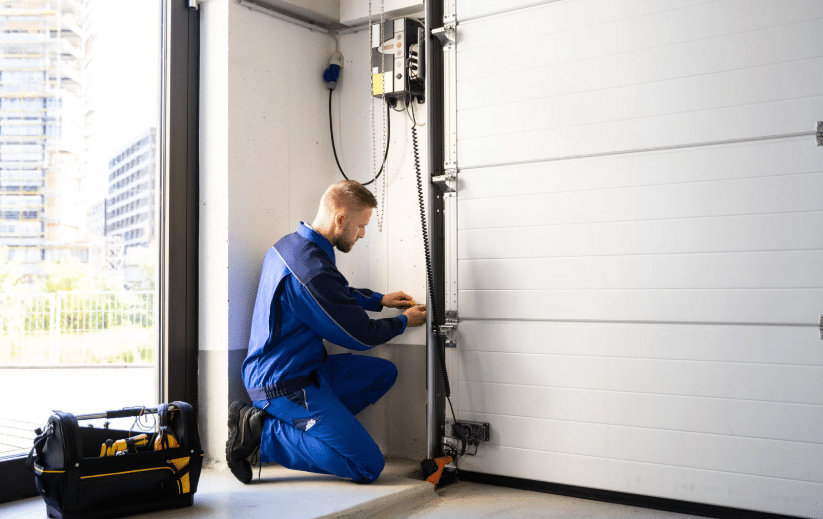
Trust the Right Hands for Every Garage Door Maintenance Task
Understanding which garage door maintenance tasks belong to homeowners and which ones require a trained technician keeps a properly functioning garage door working safely for years. Making the right call on every task protects the door, the people who use it, and the home it is part of.
Affordable Garage Door Repairs of Indianapolis, LLC brings the tools, training, and experience to handle every garage door service that goes beyond basic upkeep. Contact us or give us a call today to schedule a professional inspection and get the peace of mind that every Indianapolis homeowner deserves.