
A garage door wont close, and suddenly everything feels off, from the security of your home to the routine of your day. The problem does not always show an obvious cause right away, and that uncertainty makes it harder to know whether you are dealing with something minor or a sign of a bigger issue with your garage door system.
Getting to the bottom of a garage door wont close situation starts with understanding what is actually happening before touching anything. This guide covers the signs, the checks, and the point at which calling a professional for garage door repair becomes the only logical move.
Why Wont My Garage Door Close?
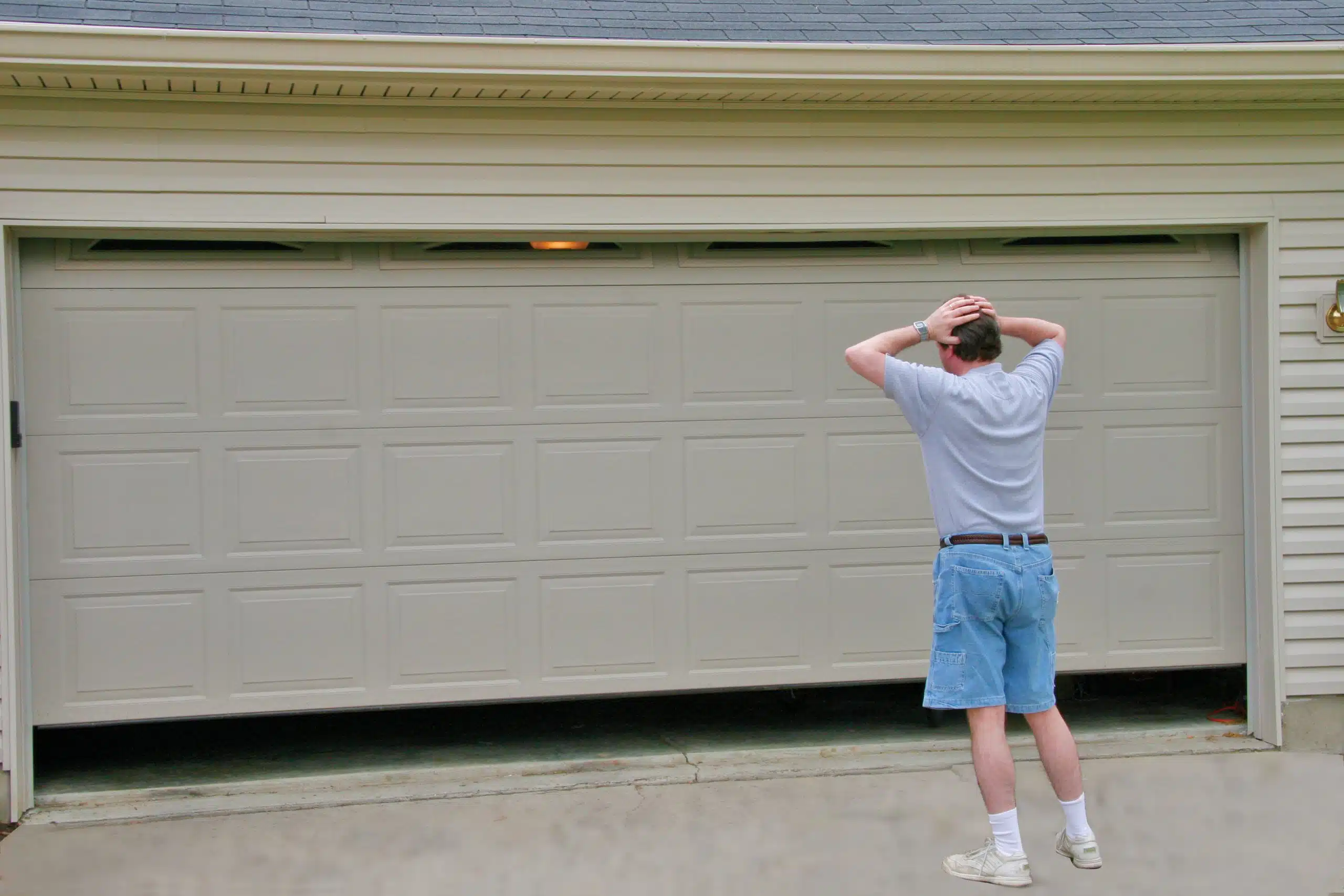
A garage door wont close because something inside the system has stopped working the way it should, and that failure can come from several different places depending on the age, condition, and history of your garage door.
The most common reasons a garage door stops closing include:
- Dirty or misaligned safety sensors are interrupting the infrared beam
- Weakened or broken torsion springs and extension springs are making the door too heavy to lower
- The close limit setting on the opener unit is stopping the door from closing too early
- Debris or damage inside the tracks is blocking the door from completing its travel
- The trolley latch has disconnected from the carriage after a manual release
To understand every root cause behind why this problem starts in the first place, read our guide on Why Garage Door Won’t Close, which covers all the mechanical and electrical reasons Indianapolis homeowners run into this issue.
Signs Your Garage Door Won’t Close Properly
Recognizing the early signs of a garage door wont close problem gives you a clearer picture of what the system is dealing with before anything gets worse.
- Reversal happens at the same point every single time during closing
- The opener indicator light flashes a specific number of times right after the door goes back up
- The door freezes at the exact same height during every closing attempt
- A gap remains visible between the bottom of the door and the floor on one side
- The door panel appears slightly tilted when viewed straight on from the outside
To spot what each of these signs points to inside your system, read our guide on Signs a Garage Door Wont Close Properly, which breaks down every indicator worth knowing before calling a technician.
What Happens When You Ignore a Garage Door That Won’t Close
Ignoring a garage door wont close puts your home and everyone in it at growing risk with every passing day.
- An unsecured garage creates a direct security risk for your home and valuables
- Moisture, pests, and outside air enter freely through a door that won’t seal
- Strained components deteriorate faster with every attempted closing cycle
- A door that drops without warning puts anyone nearby in a dangerous position
- Minor mechanical issues compound over time and increase the overall cost of repair
Unresolved damage builds on itself and is what eventually turns a simple repair into a full garage door replacement.
First Things to Check When Your Garage Door Won’t Close
Clean the Safety Sensor Lenses
Dirty sensor lenses are one of the most overlooked reasons a garage door wont close, and wiping them down takes less than a minute.
Start with these cleaning checks:
- Wipe both sensor lenses using a soft cloth or dry cloth
- Cobwebs and grime block the infrared beam without any visible path obstruction
- Cleaning both lenses matters, not just the one that looks dirty
- Streaks left after wiping still interfere with the beam signal
- Residue remaining on either lens after cleaning keeps the problem active
Sensor lenses collect buildup faster than most homeowners expect, and regular maintenance prevents false reversals.
Check Garage Door Sensor Alignment
Garage door sensor alignment determines whether the infrared beam completes its path across the opening.
Look for these alignment indicators:
- Start by checking the LED indicator light on both sensors near the base of the tracks
- Steady lights on both sides confirm the beam is completing its path
- Blinking or off lights mean alignment is off on one or both sensors
- Adjusting the sensor bracket gently is enough to restore a steady indicator light
- Both sensors need a recheck after any adjustment to confirm stability
Bracket position affects every closing cycle, and a misaligned sensor keeps stopping the door until it is corrected properly.
Remove Any Obstructions in the Door’s Path
Even seemingly insignificant objects can interrupt the infrared beam and prevent a full closing cycle.
Check these common obstruction areas:
- Walk both sides of the garage door’s path before every closing attempt
- Rocks, leaves, and dirt near the sensor line trigger reversals
- Floor debris under the bottom of the door is easy to miss
- Both sides of the opening need scanning, not just the cluttered side
- Anything near sensor height on either side needs to be removed
Eliminating path obstructions first rules out the most basic cause before moving on to mechanical checks.
Inspect the Tracks for Debris or Damage
Bent tracks and debris inside the channel force the door to work against resistance on every cycle.
Pay attention to these track conditions:
- Visually scan both tracks from the floor to the ceiling
- Dents, bends, or sections pulling away from the wall need immediate attention
- Packed dirt inside the track channel restricts roller movement
- Uneven gaps between the roller and the track wall indicate bent tracks
- Stop operating the door immediately if bent tracks are spotted
Track condition directly affects how smoothly the door travels, and added resistance puts extra load on the rollers and opener motor each time the door moves.
Inspect for Broken Springs or Snapped Cables
Broken garage door springs or snapped cables rank among the most serious mechanical reasons a garage door wont close.
Watch for these warning indicators:
- Check the torsion springs above the door for a visible gap in the coil
- A gap in the coil confirms a break that makes the door too heavy to lower
- Examine both cables for fraying or full separation along the sides of the door
- Cable damage means the door’s weight is no longer distributed evenly
- Never operate the door if broken springs or cables are present
Torsion springs carry extreme tension, and garage door cable repair or spring work without proper training puts anyone nearby at risk of serious injuries.
Re-Engage the Trolley After Manual Disconnection
Using the emergency release cord disconnects the door from the opener carriage, and the trolley latch must be reconnected for normal operation to resume.
Follow these re-engagement steps:
- Locate the bypass rope or hanging rope attached to the trolley above the door
- Pull the emergency release cord back toward the opener unit to reconnect the trolley latch
- Wait for the latch to click back into the carriage before testing
- Bypass mode must be fully exited before the opener can control the door again
- Trigger the wall button after re-engagement to confirm the door responds
Missing this step after a power outage is exactly why the opener runs a full cycle without moving the door.
Check the Close Limit Settings on the Opener
Incorrect close limit settings tell the opener to stop the motor too early or too late, which is why the door either reverses on contact or fails to reach the ground completely.
Note these adjustment checkpoints:
- Find the limit adjustment screws on the side panel of the opener unit
- Turn the close limit screw in small increments to prevent overcorrection
- Watch whether the door hits the floor and reverses after each test
- Compare the door’s stopping point to the actual floor contact position
- Mark the original screw position before starting, in case it needs to be restored
Dialing in limit settings requires multiple test cycles, and a garage door technician ensures the setting matches the door’s exact travel distance without guesswork.
What to Do Next If Your Garage Door Still Won’t Close
When basic troubleshooting does not resolve a garage door wont close problem, the issue requires a professional diagnosis to fix correctly.
Take note of these situations that need professional attention:
- Have the sensors inspected and replaced if cleaning and realignment did not work
- Schedule a diagnostic if a power surge may have affected the opener unit
- Stop operating the door entirely and call a technician if the springs or cables are broken
- Request a track inspection and realignment if the door stalls at the same point every time
- Book a service call if the opener runs, but the door does not respond at all
Reaching out to a professional garage door technician at this point ensures the root cause gets identified and resolved correctly.
Why Some Garage Door Won’t Close Issues Need a Professional
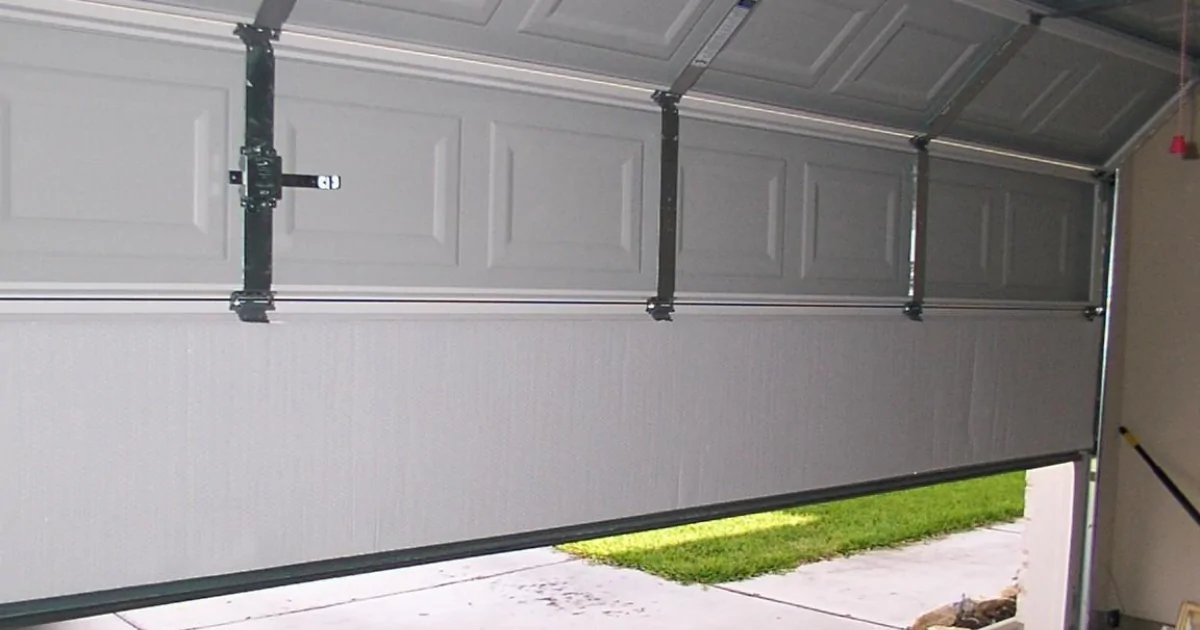
Certain garage door wont close problems go beyond basic adjustments, and handling them without proper training creates more risk than the original issue.
Here is why professional involvement matters:
- Torsion springs store extreme tension and can cause serious injuries if mishandled
- Incorrect limit adjustments can cause the door to come down with much force
- Unauthorized repairs on newer systems can void the manufacturer’s warranty
- Improper sensor wiring leads to safety features that no longer function correctly
- A malfunctioning garage door that gets forced repeatedly damages multiple components at once
Professional garage door repair ensures every part of the system is assessed, corrected, and tested by someone with the right training.
How Professionals Fix a Garage Door That Won’t Close
When a garage door technician arrives for a garage door wont close problem, the process covers every component that could be contributing to the issue.
Here is what professional repair looks like from start to finish:
- Root cause diagnosis happens before any repair work begins
- Sensors are calibrated or replaced for accurate alignment
- Torsion springs and extension springs are replaced as a matched pair
- White lithium grease is applied to the moving parts of the garage door after repairs
- Full open and close cycles are tested multiple times before the technician leaves
To walk through what happens when a reset is needed after a professional repair, read our guide on How to Reset a Garage Door Wont Close, which covers every step Indianapolis homeowners need to follow after the repair is complete.
How to Prevent Your Garage Door From Having Closing Issues Again
Keeping a garage door wont close situation from happening again comes down to a few consistent habits that protect the system between professional visits.
These prevention steps make a real difference:
- Schedule annual garage door maintenance to catch worn parts early
- Wipe sensor lenses monthly to keep the infrared beam unobstructed
- Inspect tracks and rollers every few months for dirt buildup or damage
- Test the auto-reverse function regularly to confirm sensors are responding correctly
- Address unusual noises or hesitation before they develop into a larger problem
Building these habits into a regular routine keeps the entire garage door system performing the way it should all year long.
The First Thing to Do When Your Garage Door Won’t Close Is Call the Right Team
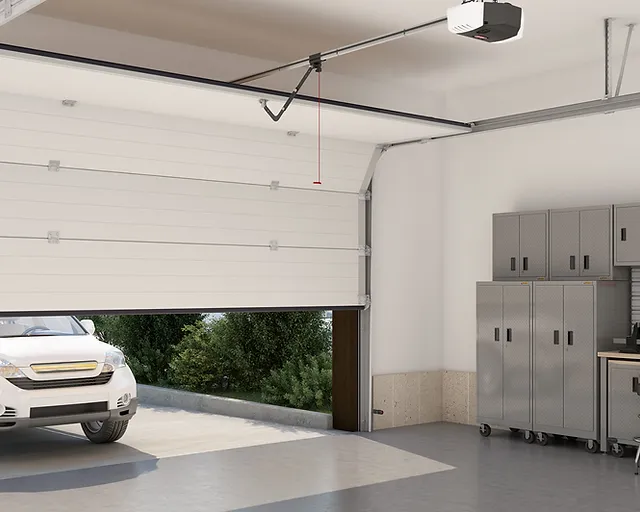
Knowing what to check, what to avoid, and when to stop troubleshooting on your own makes all the difference when a garage door wont close situation shows up without warning. Taking the right action at the right time protects your home, your system, and everyone who uses that door every day.
Affordable Garage Door Repairs of Indianapolis, LLC brings honest diagnostics and quality repairs to every garage door wont close problem Indianapolis homeowners deal with. Contact us or give us a call today and let our team figure out exactly what your garage door needs to close properly again.