
A garage door wont close, and the reasons behind it range from something as simple as a dirty sensor to something as serious as a broken spring or damaged cable. Every part of the garage door system plays a role in the closing process, and when one part fails, the entire system is affected.
Figuring out why a garage door wont close requires looking at the full picture, from the safety sensors at the bottom of the tracks to the opener unit mounted on the ceiling. This guide breaks down every cause, every warning sign, and what homeowners can do to address the problem before it turns into a costly garage door repair.
How a Garage Door Closing System Works
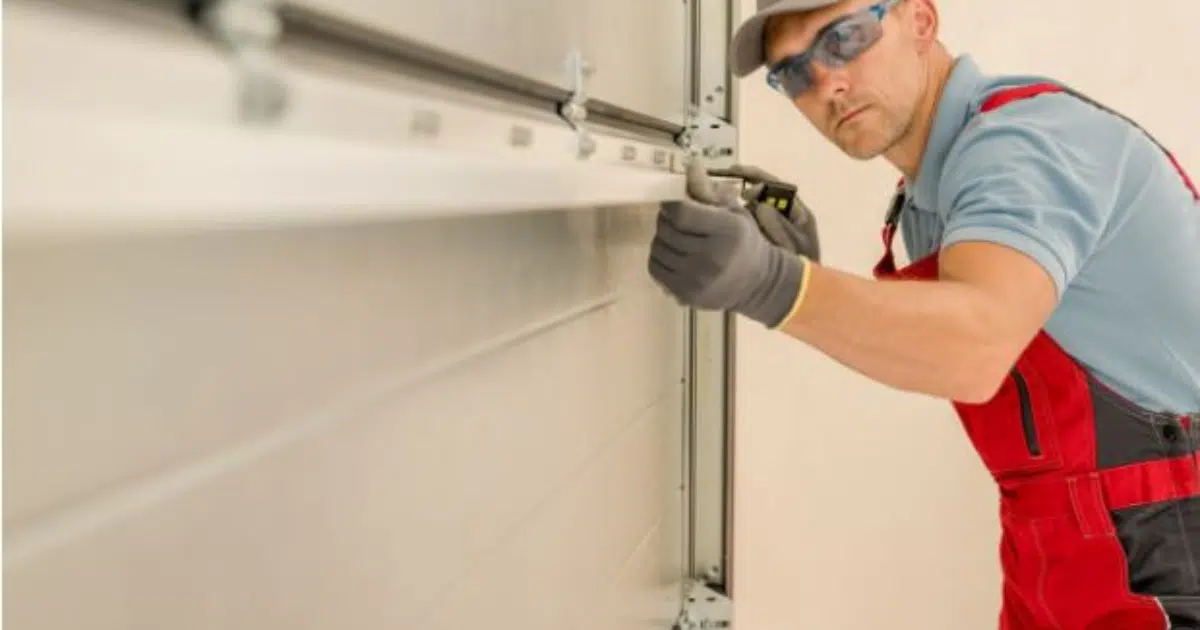
A garage door closing system is made up of several interconnected parts that all work together, and understanding what each part does makes it much easier to identify what went wrong when the door stops closing.
The main components that control how your garage door closes include:
- The garage door opener drives the trolley along the rail to lower the door.
- Torsion springs and extension springs carry the door’s weight and provide closing tension.
- Safety sensors emit an infrared beam and stop the door if it is broken.
- Tracks and rollers guide the door along a fixed path from the ceiling to the ground.
- The wall button and remote signal the opener to start or stop the closing cycle.
To see how a failure in any of these parts shows up as a visible symptom, read our guide on Signs a Garage Door Wont Close Properly, which covers every warning behavior Indianapolis homeowners should know.
What Happens When Your Garage Door Wont Close
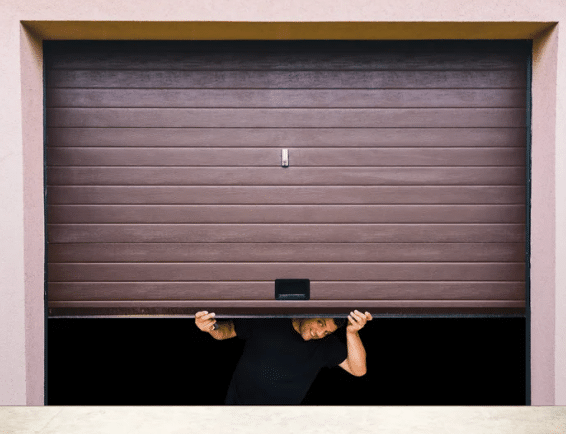
A garage door that refuses to close puts your home, family, and belongings at risk in ways that add up quickly.
Common things that happen when your garage door wont close include:
- Your home is left unsecured, and anyone can walk in directly through the garage.
- Cold air and moisture flood in, driving up energy costs during Indianapolis winters.
- Pests and rodents enter freely and cause damage to everything stored inside.
- The springs, cables, and opener deteriorate more quickly due to the added stress of an unresolved issue.
- The problem worsens over time and can eventually lead to a full garage door replacement.
Addressing a garage door that wont close early saves Indianapolis homeowners from bigger repairs and unexpected costs down the line.
Common Reasons Why Wont My Garage Door Close
Misaligned or Blocked Safety Sensors
Garage door safety sensors are the most common reason a garage door wont close, and even a slight misalignment or a dirty lens can stop the entire closing cycle.
Watch for these sensor-related issues:
- Dust and dirt on the lens block the infrared beam even when the path looks open.
- A bumped or shifted sensor breaks the beam, preventing the door from closing.
- Spiderwebs around the housing interfere with the signal over time.
- Direct sunlight on the sensor causes false obstruction readings.
Proper garage door sensor alignment is something every Indianapolis homeowner should check regularly.
Incorrect Limit Settings on the Opener
Limit settings tell the opener how far the door needs to travel, and when those settings are off, the door reverses or stops short of the ground.
Common limit-setting problems include:
- A down limit set too high causes the door to reverse before touching the ground.
- Excessive force from the opener triggers the auto-reverse feature unnecessarily.
- A recent power surge shifts programmed settings without any visible warning.
- An uncalibrated new opener does not know the correct travel distance for the door.
Working through limit adjustments using the opener manual produces the most consistent results.
Broken Springs or Cables
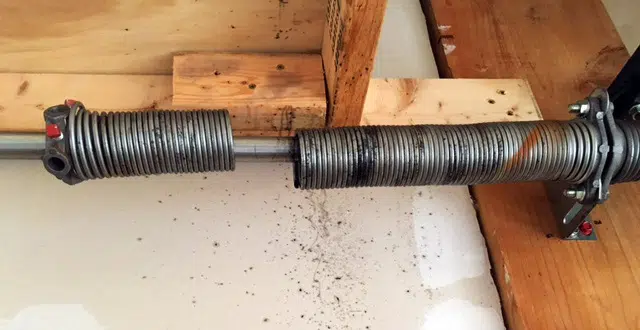
Torsion springs and extension springs carry the door’s weight, and when either breaks, the opener can no longer move the door properly.
Signs of a spring or cable problem include:
- A loud bang from the garage often signals a torsion spring snapping under tension.
- One side hanging lower means the cable or spring on that side has failed.
- Visible gaps in the spring coil confirm a complete break in the torsion spring.
- Frayed or loose cables along the sides of the door confirm cable failure.
Garage door cable repair and spring replacement involve extreme tension that requires a trained technician to handle.
Obstructions in the Door’s Path
Something sitting in the garage door’s path is one of the most overlooked reasons a garage door wont close, and even a small object can trigger the sensors.
Common obstructions that stop the door from closing include:
- A small rock or debris near the bottom triggers the safety sensors.
- Tools or trash cans left near the opening physically block the path.
- A shifted floor mat stops the door from reaching the ground.
- Snow and ice buildup along the bottom is frequent during Indianapolis winters.
Checking the full length of the door’s path before assuming a mechanical issue eliminates the simplest cause first.
Emergency Release Accidentally Activated
Pulling the emergency release cord disconnects the door from the opener, and when this happens by accident, the opener runs its cycle without moving the door.
Key things that happen when the emergency release is triggered include:
- The bypass rope gets pulled during routine garage activity without the homeowner realizing it.
- The trolley latch disengages, leaving the door disconnected from the motor.
- The opener motor runs, but the door does not move in either direction.
- Re-engaging requires pulling the cord back toward the opener until the trolley reconnects.
Re-engaging the emergency release cord is something most homeowners can resolve without tools or professional help.
Damaged or Blocked Tracks
Bent tracks or debris within the track channel stop the rollers from moving smoothly, and even a minor bend can cause the door to bind mid-travel.
Track-related problems that prevent proper closing include:
- Bent tracks cause the door to grind and stop before reaching the ground.
- Debris in the track channel creates resistance that the motor cannot overcome.
- Loose track hardware allows the track to shift, disrupting door alignment.
- Rust buildup inside the tracks increases friction and wears down the rollers.
Bent tracks that affect the door’s full travel require professional assessment to restore smooth operation.
Power Supply Issues
Power problems are often overlooked when a garage door wont close, yet the fix is sometimes as simple as checking an outlet or replacing dead batteries.
Power-related issues that prevent the door from closing include:
- An unplugged opener or tripped breaker cuts power to the entire unit.
- Dead remote batteries are one of the most common and easily missed causes.
- A full power outage disables the opener until electricity is restored.
- A tripped GFCI outlet cuts power without any obvious visible sign.
Ruling out power supply issues first eliminates the simplest explanation before moving into garage door opener repair.
Signs a Garage Door Wont Close Properly
Recognizing the warning signs of a closing problem gives Indianapolis homeowners a clear starting point before the issue gets worse.
Common signs that a garage door is not closing properly include:
- The door reverses before hitting the ground, even when nothing is blocking the path.
- A gap remains at the bottom of the door after the closing cycle completes.
- The door closes with the wall button, but does not respond to the remote.
- Grinding or scraping sounds occur during the closing cycle.
- The opener light flashes repeatedly after a failed closing attempt.
Noticing these signs early gives homeowners a clear starting point for garage door opener troubleshooting before a professional service call becomes necessary.
What to Check First When Your Garage Door Wont Close
Every garage door wont close situation has a starting point, and working through these checks in order helps narrow down the root cause without guessing.
Basic checks every Indianapolis homeowner should do first include:
- Look at the sensor indicator lights on both sides and confirm that both are solid.
- Wipe the sensor lenses with a dry cloth to remove dust, dirt, or moisture buildup.
- Test the wall button to determine whether the issue is with the remote or the opener itself.
- Check the outlet and breaker to confirm the opener is receiving power.
- Inspect the tracks visually for bends, debris, or loose hardware along the full length.
To move from identifying the problem to taking action, read our guide on Garage Door Wont Close? Here’s What to Do First, which walks Indianapolis homeowners through every step in the right order.
How to Fix a Garage Door That Wont Close
Most garage door wont close problems have a straightforward fix, and knowing where to start saves Indianapolis homeowners time before calling a technician.
Common fixes that resolve a garage door that wont close include:
- Realign the sensors by loosening the bracket and adjusting until both indicator lights turn solid.
- Adjust the down limit setting on the opener in small increments until the door fully reaches the ground.
- Clean the tracks with a dry cloth and apply white lithium grease to restore smooth operation.
- Replace dead remote batteries before assuming the issue is mechanical.
- Re-engage the trolley latch by pulling the emergency release cord back toward the opener.
To walk through the reset process step by step, read our guide on How to Reset a Garage Door Wont Close, which covers every fix Indianapolis homeowners can apply before scheduling a professional service call.
When to Call a Professional Garage Door Technician in Indianapolis
Some garage door wont close problems go beyond basic troubleshooting and require a trained technician to fix correctly.
Signs that a professional is needed include:
- Broken or visibly damaged springs make the door too heavy and dangerous to operate.
- Frayed or snapped cables cause the door to hang unevenly and jam in the tracks.
- Bent tracks that affect the door’s full travel cannot be fixed with basic tools.
- The opener motor runs, but the door does not move, pointing to an internal mechanical failure.
- Basic troubleshooting has not resolved the problem after multiple attempts.
Calling a professional garage door technician in Indianapolis at the right time prevents further damage and keeps everyone out of harm’s way.
Preventive Maintenance Tips to Keep Your Garage Door Closing Properly
Routine garage door maintenance is the most effective way to avoid unexpected closing failures throughout the Indianapolis seasons.
Preventive maintenance habits every homeowner should follow include:
- Clean the sensor lenses monthly with a soft cloth to prevent false obstruction readings.
- Apply white lithium grease to the rollers, hinges, and tracks every six months.
- Test the auto-reverse feature by placing a small object under the door and confirming it reverses.
- Inspect the springs and cables for visible wear, rust, or fraying at least twice a year.
- Schedule a professional tune-up once a year to catch worn parts before they fail.
Keeping up with these habits reduces unexpected closing problems and keeps every component working properly year-round.
Fix the Reason Why Your Garage Door Wont Close Once and for All
A garage door wont close for many different reasons, but most of them come down to sensors, springs, tracks, or settings that are out of adjustment. Knowing what to look for and what to check first puts Indianapolis homeowners in a position to act with confidence and address the problem correctly.
Affordable Garage Door Repairs of Indianapolis, LLC brings the experience and tools to handle every garage door closing problem that homeowners face throughout the year. Contact us or give us a call today, and let our team assess exactly what your garage door system needs to start closing properly again.