
Signs a Garage Door Wont Close Properly
A garage door that refuses to close completely is a clear sign that something inside the system has already started to fail and needs immediate attention. Learning the signs that a garage door won’t close properly early can save homeowners from dealing with a much costlier repair that could have been avoided with the right information.
Each sign points to a specific problem, and understanding what those signs mean makes it easier to take the right action before further damage occurs. This guide breaks down every warning sign, explains what is causing it, and helps homeowners know exactly when to call for professional garage door repair.
Why a Garage Door That Won’t Close Is Dangerous
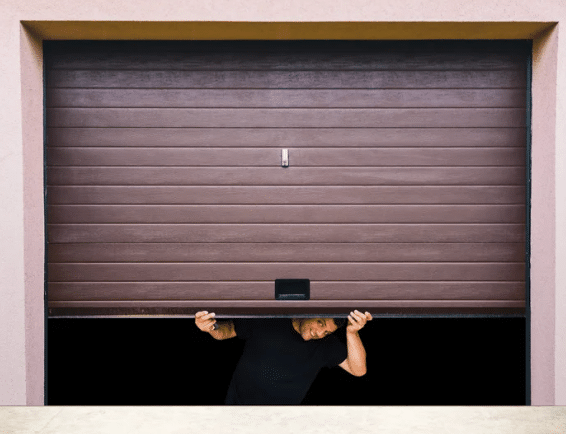
A garage door that won’t close is more than a daily frustration because it creates real security and safety risks for your home and everyone inside it, and these risks grow the longer the problem is left unaddressed.
The dangers of a malfunctioning garage door include:
- An open garage gives intruders direct access to your home and valuables
- Pests, wind, and rainwater can enter through the gap of an unclosed door
- A door that drops unexpectedly can cause serious injuries to anyone nearby
- Children and pets are most at risk when a door moves without warning
- Worn springs and cables can snap and cause harm if the problem is ignored
To understand how these dangers relate to the actual mechanical failures inside your system, read our guide on Why Garage Door Won’t Close, which covers every root cause homeowners need to know before the problem worsens.
Common Reasons a Garage Door Won’t Close
Understanding the most common reasons a garage door wont close helps homeowners identify the problem faster and avoid making it worse.
The most common reasons include:
- Misaligned or dirty safety sensors block the infrared beam and stop the door from closing
- Broken torsion springs or extension springs make the door too heavy to close
- Bent tracks or worn rollers prevent the door from traveling smoothly along its path
- An incorrect close limit setting causes the door to stop or reverse before reaching the ground
- Dead remote batteries or a weak opener signal prevent the door from responding
Identifying the root cause early determines whether a simple repair or a full garage door replacement is needed.
Top Signs Your Garage Door Won’t Close Properly
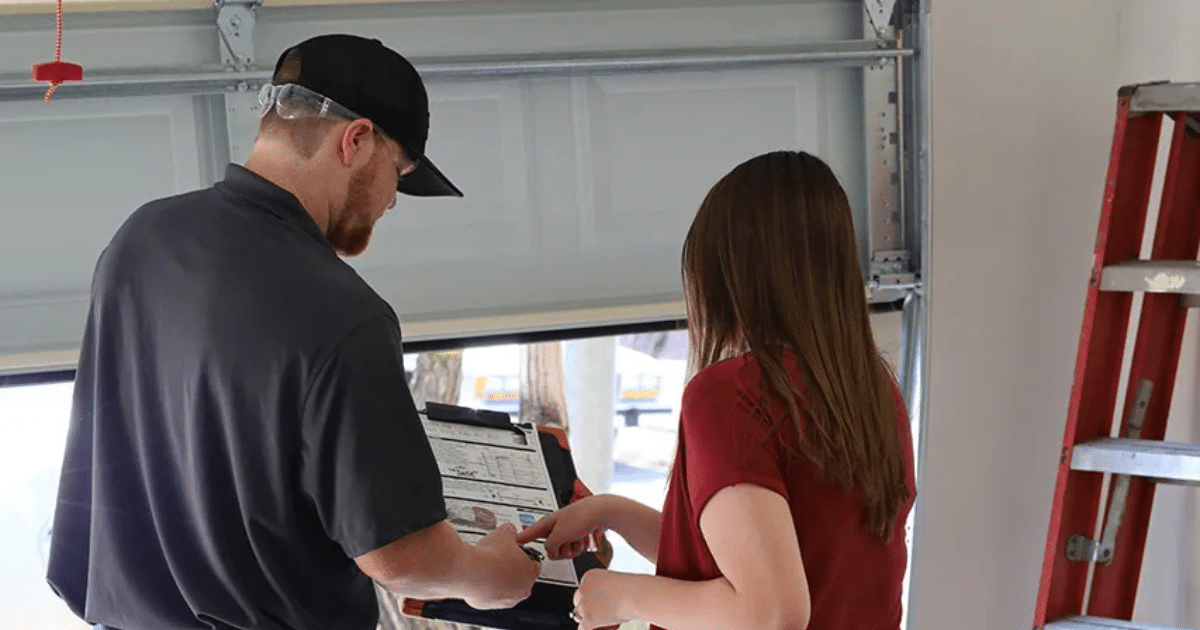
Door Reverses Automatically Before Closing
Automatic reversal is the garage door system’s way of signaling that something is interfering with the closing cycle before the door reaches the ground.
Watch for these reversal patterns:
- Light flashes on the opener unit several times after each reversal
- The wall button triggers the same reversal behavior as the remote
- No visible obstruction exists in the garage door’s path during the reversal
- Normal operation resumes temporarily, then the reversal happens again
- The door travels halfway down, then immediately goes back up
A garage door reverses when closing for reasons that almost always trace back to the sensors, the limit settings, or an obstruction in the door’s path.
Safety Sensor Lights Are Blinking
Blinking sensor lights are among the most direct indicators that the garage door sensor alignment needs attention before the door will close again.
Look for these sensor behaviors:
- One sensor shows a steady light while the other blinks or stays dark
- Both sensors blink simultaneously after every failed closing attempt
- Wiping the lens with a soft cloth does not stop the blinking
- Gently repositioning the sensor bracket changes the indicator behavior
- The door only closes when the sensors are manually held in position
Proper garage door safety sensors function requires both units to face each other at the exact same height and angle.
Door Stops Short and Leaves a Gap
A gap at the bottom of the door means the close limit setting is not calibrated to match the full travel distance of the door.
Notice these closing behaviors:
- A visible gap at the bottom of the door remains after every closing attempt
- The opener unit stops the cycle without triggering the auto-reverse feature
- Adjusting the limit setting manually changes how far the door travels
- The gap size stays consistent regardless of how many closing attempts are made
- The door stops inches above the ground without reversing
A garage door won’t close all the way when the limit switch stops the cycle before the door makes full contact with the ground.
Jerky or Uneven Movement While Closing
Uneven movement during the closing cycle puts unnecessary stress on the cables, springs, and tracks that keep the door balanced.
Pay attention to these movement patterns:
- One side of the door moves faster or lower than the other during closing
- Rollers skip or bounce inside the track instead of rolling smoothly
- The door tilts noticeably to one side before stopping mid-cycle
- Visible shaking or wobbling occurs along the track while the door travels down
- Grinding or scraping sounds accompany the uneven movement
Addressing uneven movement early keeps the garage door system from developing additional mechanical problems over time.
Grinding, Squeaking, or Banging Noises
Unusual sounds during the closing cycle are direct indicators that the moving parts of the garage door are under stress or have already started to wear down.
Listen for these specific sounds:
- Grinding noises point to metal-on-metal friction in the track or roller assembly
- Squeaking means the moving parts need lubrication with white lithium grease
- Banging suggests a loose panel, snapped cable, or detached spring component
- Sounds only during the closing point to a closing-specific mechanical issue
- Noise intensity increases gradually before the door stops closing
Unusual sounds during the closing cycle are worth investigating early, before additional components are affected.
Door Feels Heavy or Won’t Move at All
Excessive weight during manual operation is a strong indicator that the spring system is no longer carrying the door’s load the way it should.
Watch for these signs of spring or cable failure:
- Lifting the door manually requires much more force than usual
- A loud bang was heard before the door stopped working correctly
- The door rises only a few inches before dropping back down
- Visible gaps or separation in the spring coil confirm a complete break
- Using the emergency release cord confirms the opener is not the issue
Spring and cable problems require immediate professional garage door repair before the door becomes completely inoperable.
Door Won’t Close All the Way or Closes Partially
Partial closure is one of the clearest signs that a garage door won’t close completely, due to a limit-setting error or a physical obstruction along the track.
Look for these partial closure patterns:
- Repeated closing attempts all stop at the same point in the cycle
- Checking the garage door’s path reveals no visible objects blocking the track
- The opener stops the cycle without flashing any error lights on the unit
- The door travels most of the way down, but stops before reaching the ground
- Manual operation using the emergency release confirms that the door can physically reach the ground
Most cases involving a garage door wont close partially point to either a limit switch issue or an obstruction that calls for garage door opener repair.
What to Do After Spotting These Signs
Basic checks after noticing a garage door wont close can help narrow down the problem before calling a professional.
Start with these basic troubleshooting steps:
- Check the garage door’s path for any objects, dirt, or debris blocking the track
- Inspect the sensor indicator light on both sides to confirm alignment
- Wipe the sensor lens with a soft cloth to remove any dust or buildup
- Test both the remote and the wall button to identify whether the issue is with the signal or the door itself
- Listen and watch for irregular movement or sounds during the closing cycle
To go further with garage door opener troubleshooting, read our guide on Garage Door Wont Close? Here’s What to Do First, which walks homeowners through every check that needs to happen before calling a technician.
When to Call a Garage Door Professional in Indianapolis
Knowing when basic troubleshooting is no longer enough is just as important as knowing the signs a garage door wont close properly.
Call a professional when:
- Torsion springs or extension springs are broken, and the door feels too heavy to move
- Cables are visibly frayed, snapped, or hanging loose on either side of the door
- Bent tracks cannot be straightened, and the door grinds or stops mid-cycle
- The opener unit fails to respond after all basic troubleshooting steps are completed
- The emergency release cord has been pulled, but the door still refuses to move
Delaying professional garage door repair in Indianapolis increases the risk of further damage to the entire system.
How Professionals Fix a Garage Door That Won’t Close
Professional technicians follow a specific process to diagnose and fix a garage door wont close situation based on the condition of each component.
Common professional repairs include:
- Sensor realignment or replacement restores the infrared beam for normal closing
- Broken torsion springs and extension springs are replaced to restore balance
- Frayed or snapped cables are replaced to allow smooth door movement
- Bent tracks are straightened, and worn rollers are replaced to eliminate grinding
- Close limit settings are recalibrated so the door reaches the ground without reversing
To learn what happens after a professional repair is completed, read our guide on How to Reset a Garage Door Wont Close, which covers every step technicians take to confirm the system is back to normal operation.
How to Prevent Garage Door Closing Problems
Regular garage door maintenance is the most effective way to keep closing problems from developing in the first place.
Prevention steps every homeowner should follow:
- Schedule a professional inspection at least once a year to catch worn parts early
- Keep tracks clean and free of dirt, debris, and small objects that block the door’s path
- Wipe sensor lenses with a soft cloth regularly to maintain a clear infrared beam
- Apply white lithium grease to the moving parts of the garage door every few months
- Test the auto-reverse feature periodically to confirm the safety sensors are working correctly
Following these steps keeps the garage door system running properly through every season in Indianapolis.
Don’t Ignore the Signs Your Garage Door Won’t Close Properly
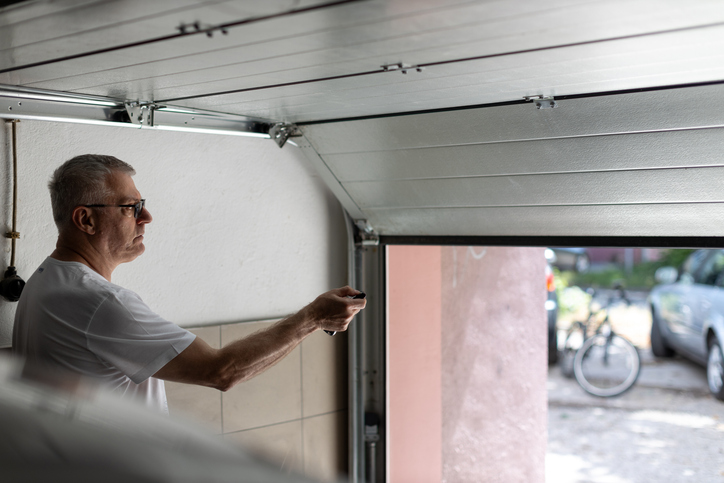
Every sign covered in this guide points to a real problem inside your garage door system that will not resolve on its own, and addressing it early makes every repair simpler and more affordable. Knowing what these signs mean gives homeowners the upper hand in making informed decisions about the condition of their garage door.
Affordable Garage Door Repairs of Indianapolis, LLC takes pride in helping Indianapolis homeowners diagnose and fix garage door problems through honest inspections, accurate diagnostics, and dependable repair services. Contact us or give us a call today, and let our team handle everything from the first inspection to the final test run.