
For an isolated fault on a sound door, garage door repair costs less, while full replacement wins over time once damage, age, or parts availability shift the numbers. Minor repairs like a single spring or a worn cable cost a fraction of a new door, while major repairs across the entire door narrow that gap.
Labor rates, spring type, door size, and the replacement parts range all influence the tipping point, and the answer can differ between two doors of the same age. This guide compares both options by damage type, door condition, and long-term costs, then explains how to weigh a written repair quote against a replacement price.
Key Takeaways
- Single failed parts usually favor repair over replacement
- Older doors with discontinued parts often favor a new door
- Panel damage and material influence which option costs less
- Opener condition decides whether repair or replacement fits
- Energy efficiency and warranty coverage add long-term value
Repair Versus Replacement Cost Comparison
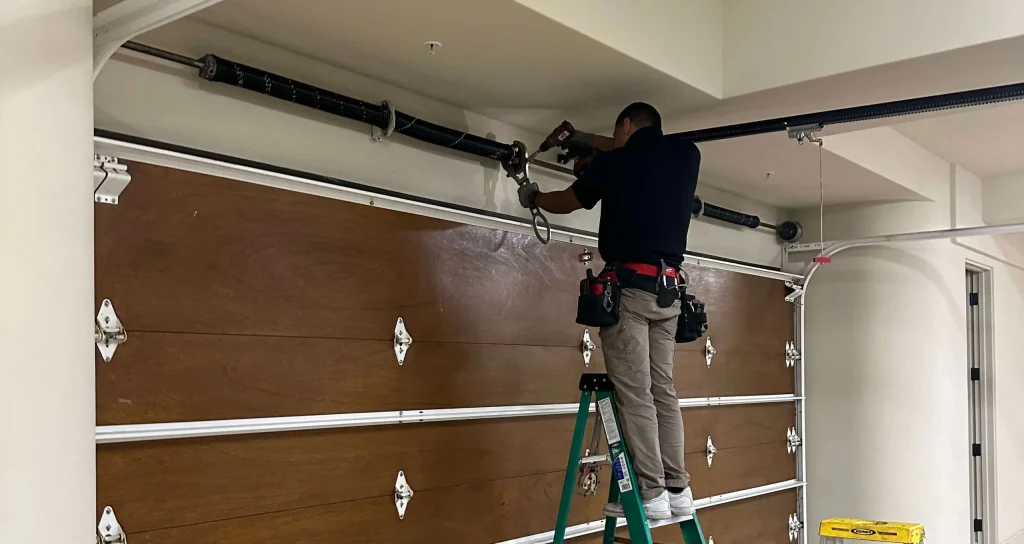
Repair usually wins on upfront price while replacement wins on long-term value, though damage type, door age, and parts availability decide which one fits.
Situation | What Repair Involves | When Replacement Makes More Sense |
Single failed spring or cable | Swapping the part and rebalancing the door | The door is old and other hardware shows wear |
One damaged panel | Replacing one section or repairing a dent | Panels are discontinued or several sections are damaged |
Worn opener | Fixing gears, logic boards, or motor problems | The unit is outdated and lacks modern safety features |
Bent tracks | Realigning or swapping the affected sections | Frame or opening damage extends beyond the tracks |
Multiple damaged panels | Full panel replacement, one section at a time | The entire door needs work in the same visit |
Older door with limited parts | Sourcing compatible new parts | Parts are unavailable and a new door costs less overall |
The remaining service life of the door, more than any single price quote, decides which option protects the household budget best over the coming years.
Extent and Type of Damage
Isolated damage to a single component generally favors repair at the average cost of that repair type, since the rest of the door remains in working order.
Damage patterns that point toward repair include:
- Garage door spring repair or garage door cable repair on an otherwise sound door
- Minor problems such as sensor alignment or remote programming
- One dented panel that leaves the track and frame intact
- Common repairs where new parts are widely stocked
- Any simple fix that restores normal operation after one adjustment
To review typical prices for each repair before comparing them with a new door, read our guide on How Much Does Garage Door Repair Cost in Indianapolis, IN?, which covers average costs for springs, openers, cables, tracks, sensors, and panels in detail. To review typical prices for each repair before comparing them with a new door, read our guide on How Much Does Garage Door Repair Cost in Indianapolis, IN?, which covers average costs for springs, openers, cables, tracks, sensors, and panels in detail.
Age and Condition of the Door
Industry experts often point to door age as the first sign that replacement deserves a quote, since older doors show wear across several components at once.
Condition details that tilt the comparison toward replacement include:
- Door age beyond the typical service life of its hardware
- Rust, warping, or cracking across multiple panels
- Repeated garage door repairs on different parts within a short period
- Discontinued components that narrow the replacement parts range
- Spring cycle ratings already close to their limit
Older doors with repeated failures are best compared against a written quote for garage door replacement, so both totals can be judged on the same terms.
Panel Damage and Material
Panel damage affects the comparison differently across materials, since steel, wood, and fiberglass each carry their own repair limits and replacement prices.
Material factors that shape the decision are:
- Wood doors costing more to refinish and replace than steel
- Dented steel sections that can often be repaired in place
- Single panels that must blend with the existing door style
- Fiberglass cracks that usually call for full panel replacement
- Insulated sections that raise the price of each replacement
To gauge how door size, material, and labor combine into the price of a panel repair, read our guide on What Affects Garage Door Repair Cost in Indianapolis, IN?, which breaks down each cost factor in detail.
Spring and Opener Condition
Springs and openers fail independently of the door, so a worn spring or a faulty opener usually calls for a targeted repair instead of a new door.
Checks worth running on the springs and opener include:
- Torsion springs or extension springs reaching the end of their cycle rating
- Motor problems that can be corrected without replacing the whole unit
- Worn gears and logic boards covered by individual opener repairs
- Safety features that still meet current standards
- Drive system type and parts supply for the garage door opener
Opener faults that stop short of a dead motor usually fall within garage door opener repair, which keeps the existing door and hardware in place.
Energy Efficiency and Curb Appeal
New insulated doors add energy efficiency and curb appeal, benefits that a repair cannot provide and that can offset part of the higher upfront price.
Replacement benefits that add long-term value include:
- Insulation that lowers energy bills in heated or attached garages
- Updated door style that improves the look of the home
- Quieter operation from newer rollers and hardware
- Added safety features such as reversing sensors
- Peace of mind from new parts under warranty
Putting in an insulated door is the work of garage door installation, and a good quote lists the door, hardware, and labor as separate items.
Long-Term Costs and Warranty Coverage
Warranty terms and ongoing upkeep shape total costs over the life of the door, which makes the cheapest upfront option less obvious than it first appears.
Long-term cost points worth weighing are:
- Warranty length on new parts compared with repair labor coverage
- Regular garage door maintenance and preventative maintenance for an older door
- Frequency of service calls over the past few years
- Cost of labor and local labor rates applied again on every separate visit
- Resale value and curb appeal ahead of the next project
Adding up the likely repair bills for the next few years often clarifies whether replacement spreads project costs more evenly across the life of the door.
Making the Final Repair or Replacement Decision
Comparing garage door repair costs with replacement pricing comes down to written numbers, so gathering the right information first keeps the comparison fair.
Steps that lead to a clear decision include:
- Requesting a written diagnosis that names each failed part
- Collecting itemized quotes for both repair and replacement
- Comparing the repair total with the full replacement price
- Considering the remaining service life of the door
- Factoring in permit charges for full replacement
To analyze what each quote should list before any work begins, read our guide on What Does a Repair Estimate Include in Indianapolis, IN?, which explains the line items, common exclusions, and questions worth asking the technician.
Door Condition Settles the Repair or Replacement Question
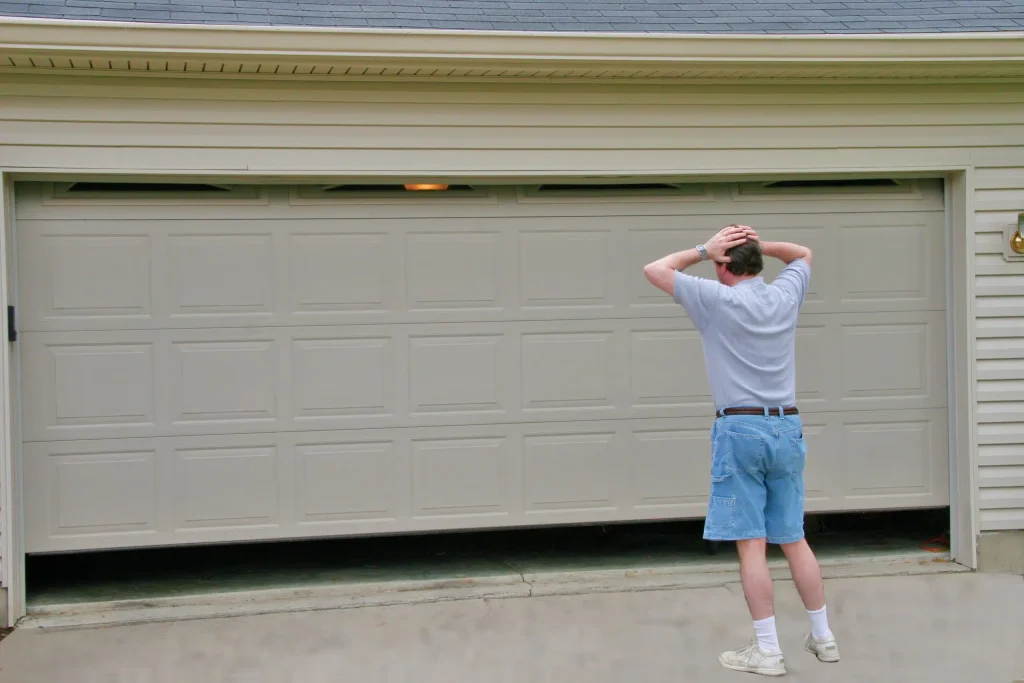
Repair stays the smarter spend while the door is sound and parts remain easy to find, and replacement earns its price once wear spreads across the entire door. Weighing both totals against the years of service left in the door gives the household a decision that holds up on budget.
Affordable Garage Door Repairs of Indianapolis puts repair and replacement options side by side for households across Indianapolis, IN, so every cost is documented before a decision is made. Contact us or give us a call today, and let our team compare both options for the door and explain which one fits the budget.