
Door size, material, spring type, opener condition, local labor rates, and door age all affect the final garage door repair invoice. Minor repairs on a standard steel door sit at the low end of the range, while major repairs on wood doors or heavier doors push the total higher.
Parts availability, emergency service requests, and local labor costs also shape the price, sometimes more than the fault itself does. This guide breaks down the factors behind the price, explains how they work, and shows where comparing quotes makes the biggest difference overall.
Key Takeaways
- Door size and weight set the baseline for parts and labor
- Material and style influence panel and hardware pricing
- Spring type and tension change both parts and labor time
- Opener condition decides whether a repair or a new unit fits
- Local labor rates and parts availability shape the final invoice
Key Factors That Determine Garage Door Repair Cost
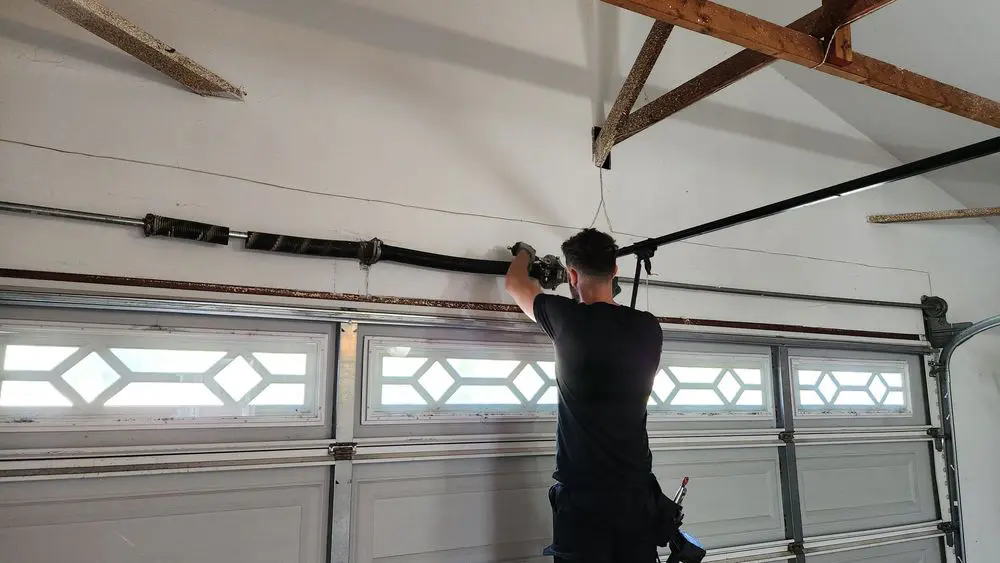
Garage door repair costs vary by repair type, the door itself, and the conditions surrounding the visit, so two similar-looking jobs can cost different amounts.
Cost Factor | What It Involves | How It Affects the Price |
Door size and weight | Width, height, and panel weight of the door | Larger doors need more parts and more labor time |
Material and style | Steel, wood, or fiberglass panels and design details | Wood and custom designs raise parts prices |
Spring type | Torsion or extension spring and cycle rating | Torsion springs cost more upfront and last longer |
Opener condition | Drive type, motor health, and control board | Failed motors shift the job from repair to unit replacement |
Labor rates and timing | Hourly rates, travel, and visit hours | Emergency visits add premiums to the invoice |
Door age and parts | Wear level and availability of components | Discontinued parts extend lead times and raise prices |
Weighing door details against the nature of the fault explains why one flat price does not fit every repair, and why itemized quotes give a clearer picture than any single average.
Door Size and Weight
Wider and heavier doors need stronger springs, longer tracks, and more labor time, so door size sets the starting point for nearly every repair quote.
Pricing climbs with size and weight for these reasons:
- Double-wide doors needing longer tracks and extra hardware
- Heavier doors calling for higher-rated springs and garage door cables
- Extra labor time to lift and support oversized panels
- Larger openings that often need two technicians on site
- Custom dimensions that limit which new parts will fit
Confirming the exact door size before requesting a quote lets the technician price parts and labor accurately and keep total costs predictable from the first call.
Door Material and Style
Steel, wood, and fiberglass panels have different replacement prices, and a detailed door style or custom finish can further increase the parts bill for a single section.
Material and design choices influence the invoice as follows:
- Wood doors costing more to repair and refinish than steel
- Insulated panels adding energy efficiency and lower energy bills at a higher price
- Decorative styles adding curb appeal alongside pricier replacement parts
- Single panels that must blend with the existing finish
- Full panel replacement needed when damage spreads across the section
Quotes for garage door replacement give a clear point of comparison whenever several panels on a wood or custom door need work at once.
Spring Type and Tension
Spring type shapes price, lifespan, and installation effort, since torsion springs and extension springs carry different amounts of stored tension and labor.
Spring costs rise or fall depending on the following conditions:
- Torsion springs costing more upfront but lasting longer
- Extension springs priced lower but usually replaced in pairs
- Higher cycle ratings adding to the cost of new parts
- Spring replacement requiring special tools and trained handling
- Stored tension creating safety risks during any adjustment
Torsion and extension spring failures fall under broken garage door spring repair, where the technician sizes the replacement spring to the door’s weight.
Opener Type and Motor Condition
Chain, belt, and screw drive units cost differently, and motor problems can cost more than a simple fix like sensor alignment or remote programming.
Opener quotes shift based on these mechanical details:
- Drive system type, whether chain, belt, or screw
- Motor problems requiring a replacement motor assembly
- Worn gears and logic boards needing separate opener repairs
- Safety features such as sensors that need recalibration
- Brand and model age of the garage door opener limiting parts supply
Worn motors beyond repair are replaced through garage door opener installation, with the new unit sized to the door and its drive system.
Local Labor Rates and Service Timing
Labor makes up a large share of the invoice, so local labor rates, travel time, and the time of day all affect the final price of the repair visit.
Labor charges depend on how the provider structures the visit:
- Hourly rates typically running from $70 to $110 per hour
- Flat per-job fees offered by some local companies
- Emergency service outside regular business hours carrying a premium
- Service call fees that are sometimes waived when work is completed that day
- Bundled repairs reducing repeated travel time and labor costs
To compare price ranges across common repairs, read our guide on How Much Does Garage Door Repair Cost in Indianapolis, IN?, which covers average prices for springs, openers, cables, tracks, sensors, and panels in more detail.
Door Age and Parts Availability
Older doors often need hard-to-find components, and limited parts availability can lengthen wait times and raise the price of otherwise simple repairs.
Age affects pricing through circumstances such as:
- Discontinued hardware that narrows the replacement parts range
- Worn components across the entire door needing attention together
- Older carriage doors requiring custom-ordered replacement parts
- Rust and warped wood limiting what can be adjusted in place
- Newer models with widely stocked parts keeping repairs straightforward
To judge when an older door favors a full replacement, read our guide on Is Garage Door Repair or Replacement Cheaper?, which covers the damage, age, and budget thresholds behind each choice and how they apply to different door types.
Estimating Garage Door Repair Costs Before Booking
Gathering a few key details before calling a provider leads to a more accurate quote and fewer adjustments once the technician arrives on site.
Preparation that sharpens an estimate includes:
- Noting the door size, door type, and material
- Describing the sounds, symptoms, or failures observed
- Asking about service call fees and any waiver terms
- Requesting an itemized estimate with parts and labor listed
- Scheduling during regular business hours to avoid extra charges
To confirm what a complete quote should list, read our guide on What Does a Repair Estimate Include in Indianapolis, IN?, which explains the line items, common exclusions, and questions worth asking the technician.
Price Drivers Explain Why Repair Quotes Differ
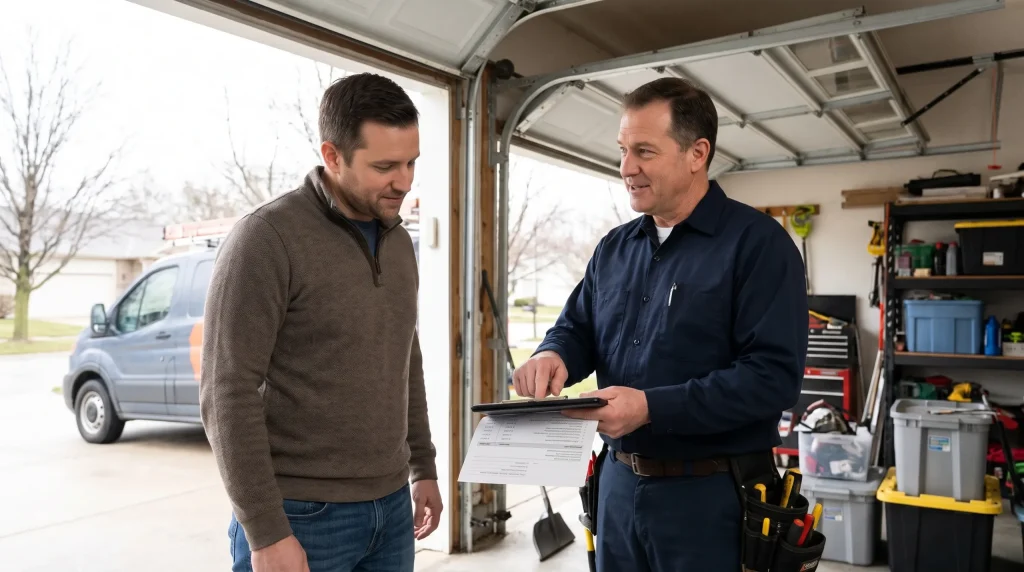
Door details, parts availability, and labor conditions explain why two repairs that look nearly identical on paper can carry very different invoices. Weighing those variables before booking sets realistic expectations and gives a firmer basis for comparing quotes from different providers and choosing a repair that fits the budget.
Affordable Garage Door Repairs of Indianapolis provides written, itemized repair quotes to households throughout Indianapolis, IN, with all charges tied to the door, the parts, and the labor required. Contact us or give us a call today, and let our team explain what drives the price of the repair the door needs.