
A broken garage door cable removes the support and balance that every garage door depends on to open and close properly. Without that cable, the door becomes unstable, unpredictable, and a genuine hazard to anyone near it.
The answer to whether it is safe to use a garage door with a broken cable is straightforward. This guide covers the exact risks, warning signs, and what Indianapolis homeowners need to do to get the right garage door repair before the situation worsens.
What Happens to Your Garage Door When a Cable Breaks?
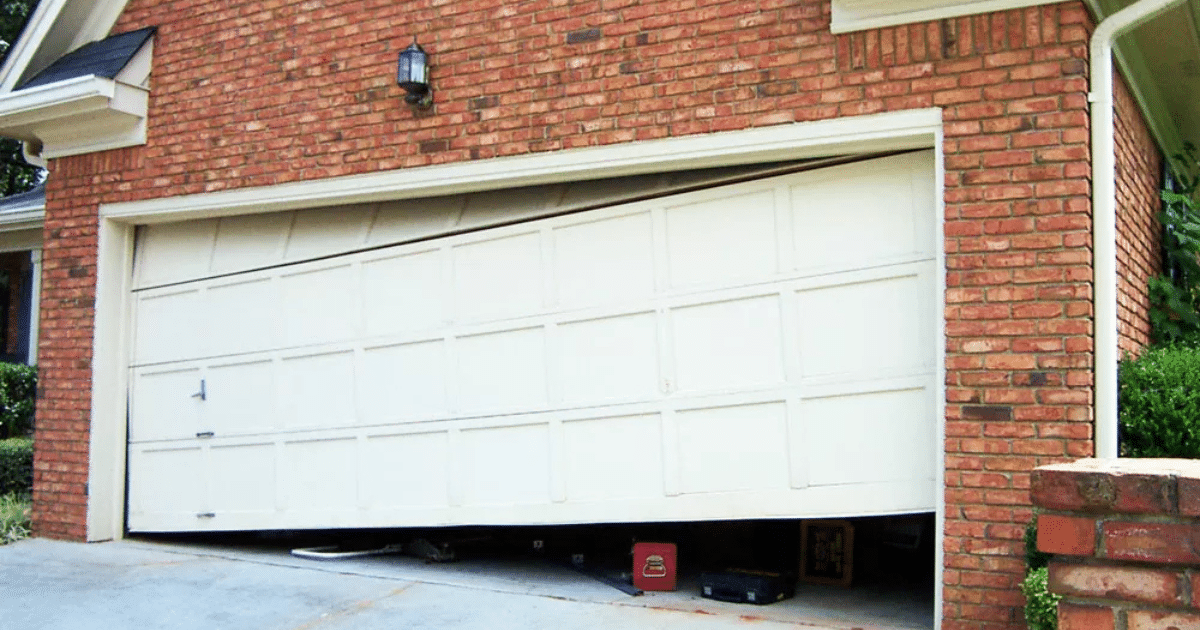
A cable break forces every other component in the garage door system to absorb a load it was never designed to handle, and the effects show up across the entire door almost immediately.
Here is what happens the moment a cable breaks:
- One side of the door drops and creates an immediate imbalance across the entire frame
- Lift cables can no longer guide the door smoothly along the tracks
- Torsion springs absorb the full door load because they were never designed to work without cable support
- Garage door openers strain against the imbalance and risk burning out
- Bottom brackets pull away from their position and put stress on the door panels
- Panels may jam, tilt, or drop without any warning during operation
To understand why operating the door in this condition creates risks for your household, read our guide on Broken Garage Door Cable: Signs, Causes, and Repair Options, which breaks down how each failure point develops and what it means for your door.
No, It Is Not Unsafe — Here’s Why You Should Never Ignore a Broken Garage Door Cable
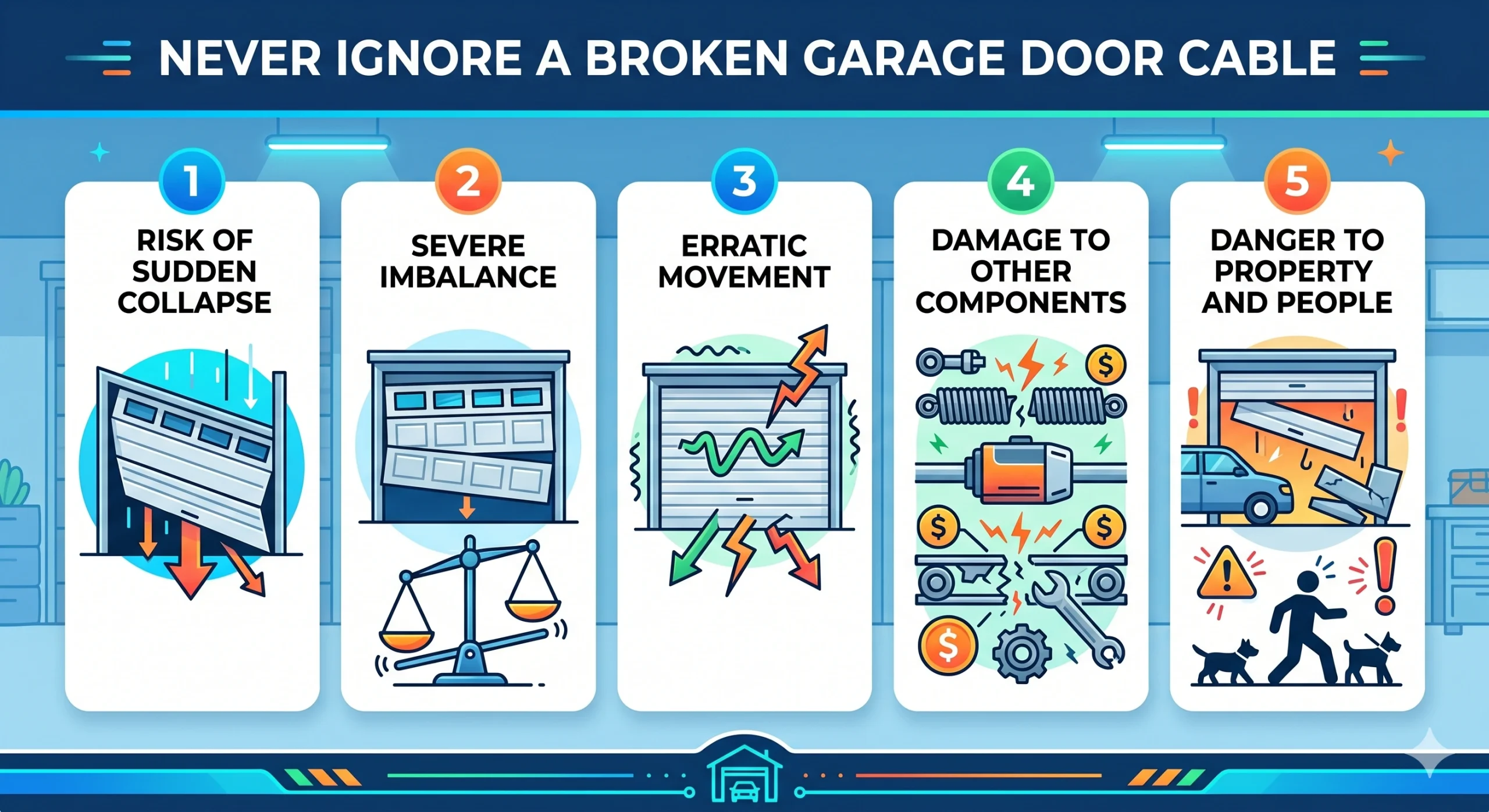
Risk of Sudden Collapse
A broken cable removes the support on one side, allowing the door to fall rapidly without any warning.
Watch for these collapse risks:
- One corner drops immediately because the upward tension holding it is gone
- Remaining cables snap under the extra load they were never rated to carry
- Bottom brackets bend because the full door weight concentrates on one attachment point
- Tracks pull out of alignment because the frame twists under uneven pressure
- Anything underneath the door faces direct risk because the drop happens without warning
Keeping the door completely stationary after a cable break is the only way to prevent a collapse from causing damage or serious injury.
Severe Imbalance
The door becomes crooked, putting immense pressure on the remaining cable, which can also snap under the added strain.
Here is how the imbalance spreads across the system:
- Torsion springs carry the full load when the cable tension is lost on one side
- Extension springs overstretch from the counterbalance system, losing their pairing
- Pulley wheels wear faster from uneven and extreme tension, pulling them the wrong way
- Opener motors strain beyond capacity from unevenly distributed door weight
- Tracks warp progressively from the door, dragging harder on one side each cycle
Every cycle completed under these conditions accelerates the deterioration of components that would otherwise last for years.
Erratic Movement
The door may jam, stick, or move unevenly, making it hazardous to operate manually or automatically.
Notice these erratic behaviors when a cable is broken:
- Doors stop mid-cycle from the opener detecting abnormal resistance
- One side moves faster due to uneven cable tension, pulling the door at an angle
- Manual operation becomes dangerous due to the full door weight shifting to one person
- Openers reverse without input from force sensors, detecting the imbalance
- Remote commands become unreliable when the opener fails to complete a full cycle
Erratic movement creates no predictable pattern, making every attempt to operate a potential risk to anyone nearby.
Damage to Other Components
Using the door puts excessive stress on the opener, springs, and tracks, turning a single cable repair into a costly system failure.
See how the damage spreads to connected garage door parts:
- Opener motors overheat from carrying an unbalanced load
- Drive mechanisms wear faster due to the extra internal resistance
- Springs lose counterbalance ability from carrying the cable’s share of the load
- Tracks crack from the uneven lateral force building up each cycle
- Drums misalign due to losing all cable tension on one side
Continuing to operate the door after a cable break will increase the scope and cost of repairs with each use.
Danger to Property and People
Due to instability, an unsupported garage door can damage vehicles and injure nearby people or pets.
Consider these real dangers an unstable door creates:
- Adults have no time to react because falling panels drop instantly
- Children and pets are vulnerable because they cannot spot an unstable door
- Vehicles underneath face direct impact from a door that drops without support
- Belongings near the entrance get crushed because there is no controlled descent
- Emergency repair costs spike because injury and damage go beyond a standard cable fix
A door that drops without warning often needs garage door opener repair, in addition to the cable fix, because the opener absorbs the most strain from an unbalanced door.
Signs of a Broken Garage Door Cable You Should Watch Out For
A failing garage door cable will always leave visible, physical clues before it gives out completely.
Watch for these signs of a broken garage door cable:
- The door hangs unevenly because one side has lost cable support and dropped lower than the other
- A loud bang from the garage means the cable released all its tension at once
- The door feels heavier than normal because cables are no longer sharing the door’s weight
- Visible fraying, rust, or corrosion on the cable means the strands have already broken down
- The cable appears loose, coiled near the bottom, or off the drum because it has detached from its anchor
Every warning sign a broken garage door cable leaves is an opportunity to schedule a garage door maintenance visit before the damage reaches other parts of the system.
What Causes Garage Door Cables to Break in the First Place?
Garage door cables don’t fail randomly because specific conditions wear them down over time until they reach the breaking point.
Here are the most common causes of garage door cable failure:
- Normal wear and tear weakens cable strands over thousands of open and close cycles
- Rust and corrosion break down cable fibers from the Indianapolis moisture and freeze-thaw cycles
- Poor installation creates weak points through wrong cable sizing and improper drum winding
- Worn torsion springs push the full door weight onto the cables
- Skipping maintenance lets fraying and corrosion advance undetected until the cable snaps
- Moisture near the cable drum speeds up corrosion from prolonged dampness
Most of these causes are preventable, and addressing worn components early through timely garage door replacement prevents the damage from spreading to the rest of the system.
What to Do Immediately If You Suspect a Broken Garage Door Cable
A broken garage door cable demands immediate action before the damage spreads to other components and puts everyone in the household at risk.
Steps to take right away when a cable breaks:
- Stop using the door because forcing movement damages connected components
- Keep children, pets, and vehicles away because an unstable door can drop without warning
- Inspect visually from a distance because cables and springs under tension are dangerous to touch
- Disconnect the opener because running it against a broken cable causes internal damage
- Avoid makeshift tools because improper fixes create tension points that can fail
- Call a professional because trained technicians have the right tools and parts
To get a full walkthrough of every urgent step Indianapolis homeowners should take, read our guide on Broken Garage Door Cable: What to Do in an Emergency, which covers how professionals handle an emergency garage door repair visit.
The Safest Way to Deal With a Broken Garage Door Cable Is to Call a Professional
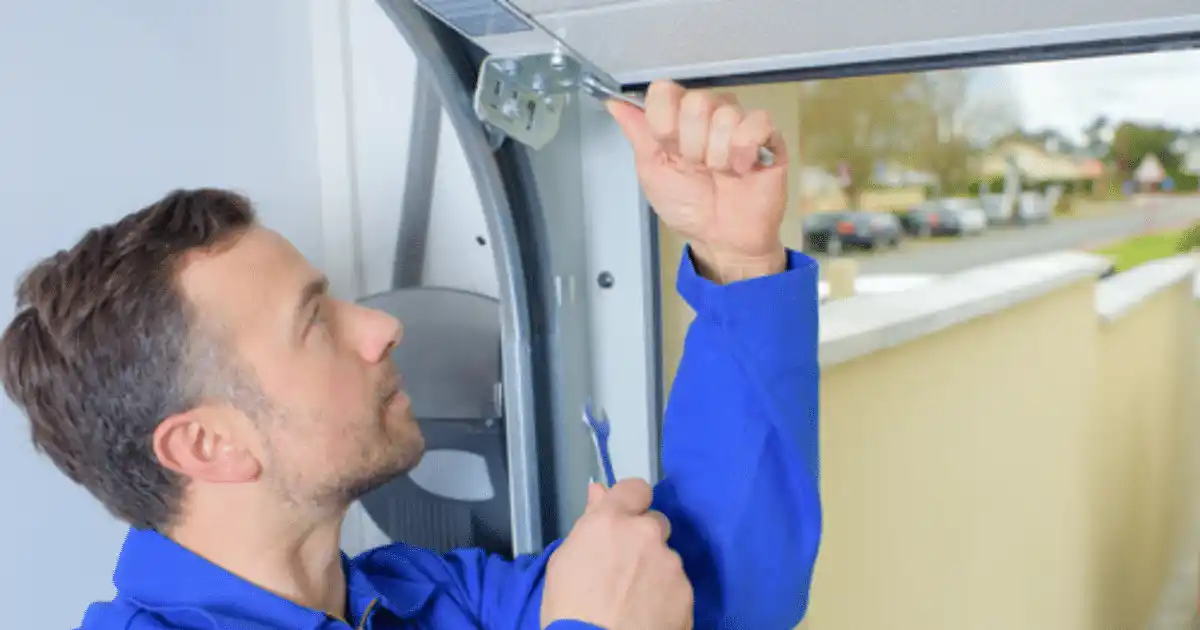
Handling a broken garage door cable without professional training puts both the person attempting the repair and the entire door system at serious risk.
Here is what a professional garage door technician will do:
- Inspect the full door system to assess all damage beyond the broken cable
- Determine whether cable repair or full garage door cable replacement is needed
- Remove the old cable and install a new cable with the correct tension and the right tools
- Check springs, drums, pulleys, and tracks for damage caused by the broken cable
- Test the door through multiple cycles to confirm balance and proper operation
- Provide regular maintenance guidance to extend the lifespan of your garage door system
To keep your cables in good condition long after a professional fix, read our guide on Broken Garage Door Cable: Prevention and Maintenance Tips, which covers the most effective maintenance habits for Indianapolis homeowners.
Stop Using Your Garage Door and Get That Broken Cable Fixed Today
A broken garage door cable left unaddressed puts the entire door system at risk and turns a straightforward cable fix into a costly repair involving the opener, springs, and tracks. Every day the door operates in that condition, the damage spreads further, and the safety risk to your family, vehicle, and property grows.
Affordable Garage Door Repairs of Indianapolis, LLC proudly serves homeowners throughout Indianapolis, IN, with professional garage door cable repair and replacement services. Contact us or give us a call today, and let our trained technicians confirm whether your garage door is safe to use or needs immediate cable repair.