
Garage door sensor lights help homeowners quickly understand whether their garage door system is working correctly. When the garage door sensor lights change color or begin blinking, they often indicate alignment problems, power issues, or other early warning signs.
Understanding what these sensor lights mean can help prevent larger garage door problems and reduce the need for emergency garage door repair. By learning how these lights communicate system status, homeowners can identify potential issues and know when professional service may be needed.
Why Are Garage Door Sensor Lights Blinking in Indianapolis?
Blinking garage door sensor lights usually indicate that the sensors cannot maintain a stable beam between the transmitting and receiving eyes, often due to misalignment, debris on the sensor lenses, loose wiring, or brief power interruptions.
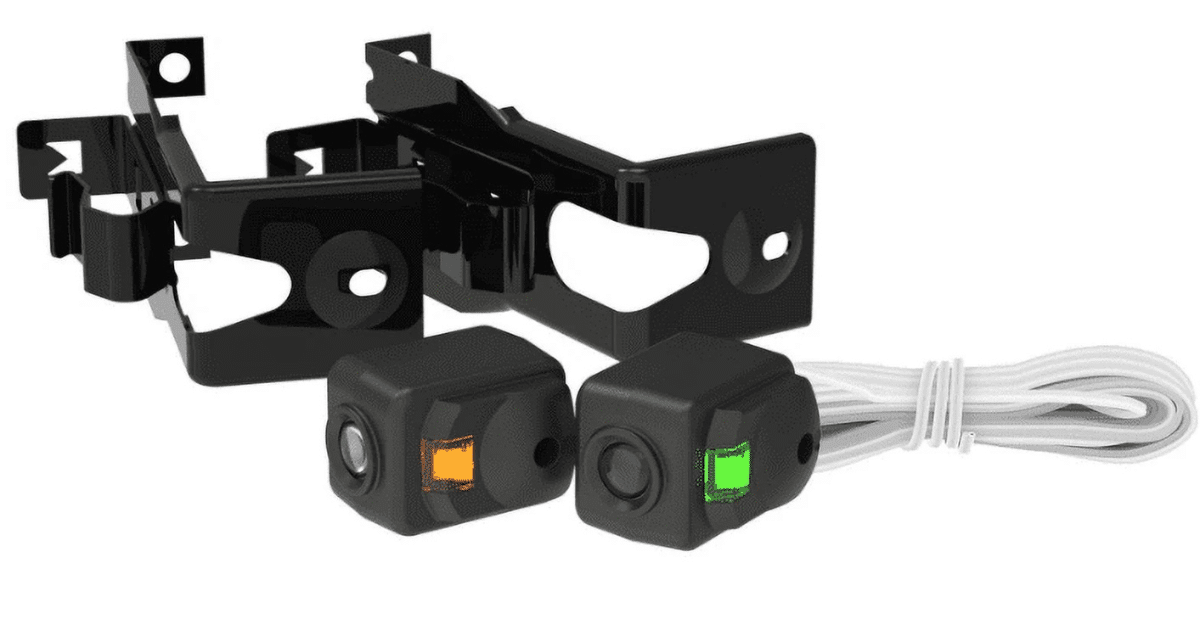
Common reasons the sensors begin blinking include:
- The sensor alignment shifts, and the transmitting photo eye no longer points directly at the receiving eye.
- Dust, debris, or spider webs collect on the sensor lenses, interfering with the light beam.
- Loose connections or wiring issues interrupt the electrical signal between the sensors and opener.
- Direct sunlight causes interference that disrupts the light beam at certain times of day.
- The power supply to the sensors becomes unstable after a power outage or minor power surge.
To understand how these warning signs affect sensor performance and door operation, read our guide on Why Are Garage Door Sensor Lights Blinking in Indianapolis?, which explains the most common causes local homeowners encounter.
How Garage Door Safety Sensors Work
Garage door safety sensors use an infrared beam between two photo eyes near the bottom of the track to detect objects in the door’s path and stop the door if the beam is blocked.
Key parts of how this system works include:
- Emitting the infrared beam from the transmitting photo eye across the garage door opening toward the opposite sensor.
- Monitoring the incoming beam at the receiving eye to confirm the light signal remains uninterrupted.
- Sending confirmation signals to the garage door opener so the door closes only when the beam is detected.
- Triggering a stop or reversal if the beam is interrupted by an object, person, or debris.
- Displaying status through small indicator lights that show power, alignment, and possible sensor problems.
Understanding how garage door safety sensors operate helps homeowners spot early sensor issues and maintain reliable operation, and routine garage door maintenance helps keep these components properly aligned.
What Colors Should Garage Door Sensor Lights Display?
Green Sensor Light
Green indicator lights usually appear on the receiving eye and signal that the sensor is properly aligned and detecting the light beam from the opposite transmitting sensor.
Watch for these normal operating signs:
- A steady green light appears on the receiving eye near the floor.
- Light remains solid while the garage door opens and closes.
- A beam from the transmitting eye reaches the receiving sensor without interruption.
- Indicator lights stay stable even during repeated door cycles.
- The garage door opener allows the door to close normally.
According to Chamberlain, LED indicator lights help diagnose operating conditions, and a steady green sensor light usually indicates normal communication between the sensors and the opener.
Red Sensor Light
Red indicator lights typically appear on the transmitting eye and show that the sensor is actively sending the beam across the garage door opening.
Look for these red light patterns:
- A steady red light appears on the transmitting photo eye.
- The beam of light travels across the opening toward the receiving eye.
- The sensor maintains constant illumination during door operation.
- The transmitting eye remains powered even while the door is idle.
- No flashing light appears during normal operation.
A red sensor light usually indicates that the transmitting eye is sending a beam toward the receiving sensor, though persistent changes may signal issues requiring garage door opener repairs.
Yellow Sensor Light
Yellow sensor lights often appear on the transmitting eye, indicating the sensor has power while sending a beam toward the receiving sensor across the garage opening.
Common yellow light behavior includes:
- A steady yellow light appears on the sending unit for the garage door sensor.
- The sensor remains illuminated even when the door is not moving.
- The beam travels from the transmitting eye toward the receiving eye.
- The indicator remains stable while the opener prepares to close the door.
- The yellow light confirms the sensor has power.
Stable yellow indicator behavior usually confirms that the transmitting photo eye is powered and actively sending a beam across the opening for detection.
Orange Sensor Light
Orange indicator lights appear on some garage door systems to show that the transmitting sensor is powered and projecting a light beam across the opening.
Situations where orange lights appear include:
- A solid orange light appears on one sensor near the floor.
- Light remains steady while the beam travels toward the receiving eye.
- The sensor continues to glow even when the door is stationary.
- Indicator lights show the transmitting eye has electrical power.
- The sensor maintains illumination during normal door operation.
Orange indicator lights generally confirm that the transmitting sensor has power and is sending a beam across the garage door opening for normal sensor communication.
One Sensor Light On, One Sensor Light Off
One sensor light turning off while the other remains on usually signals that the beam between the sensors is interrupted or the system cannot confirm proper alignment.
Possible causes often include:
- Sensor alignment shifts after the bracket moves slightly.
- Dust, debris, or spider webs block the beam of light.
- Loose connections interrupt the signal between the sensors and opener.
- A broken wire prevents the receiving eye from detecting the beam.
- Sunlight interference disrupts the sensor detection path.
Uneven sensor lights often indicate alignment or wiring problems that prevent the beam from reaching the receiving eye, which may prevent the garage door from closing properly.
Common Signs Your Garage Door Sensor Is Not Working Properly
Changes in garage door sensor lights or door movement often indicate that the sensors can no longer maintain a stable beam between the transmitting and receiving eyes.
Common warning signs homeowners may notice include:
- Blinking sensor lights that suggest alignment shifts or interference with the beam of light.
- Door reversing during closing when the opener detects an interruption in the safety beam across the opening.
- Failure to close using the wall button when the receiving eye cannot confirm the beam signal.
- One sensor light is turning off due to power supply interruptions, loose wiring, or sensor failure.
- Inconsistent door operation caused by sunlight interference or unstable sensor communication.
To review what happens when garage door sensor lights stop responding, read our guide on What to Do When Garage Door Sensor Lights Stop Working, which outlines the warning signs technicians typically inspect.
Common Causes of Garage Door Sensor Problems in Indianapolis Homes
Garage door sensor problems often occur when the beam between sensors becomes unstable due to misalignment, debris, wiring issues, or environmental interference.
Common causes homeowners may encounter include:
- Shifting sensor alignment that prevents the transmitting eye from pointing directly at the receiving eye.
- Dust and debris buildup on sensor lenses that block or weaken the light beam between the sensors.
- Loose or damaged wiring connections that interrupt the electrical signal between the sensors and the garage door opener.
- Sunlight interference near the garage opening disrupts the infrared beam during certain times of the day.
- Aging or faulty sensors that gradually lose the ability to detect the beam reliably.
To identify the mechanical and electrical conditions that can lead to sensor failure, read our guide on What Problems Cause Garage Door Sensor Lights to Fail?, which explains the most common issues technicians inspect during garage door service.
Garage Door Sensor Troubleshooting Tips Homeowners Can Check
Basic sensor checks can often reveal small issues affecting the beam between the transmitting and receiving eyes before larger problems with the garage door sensor develop.
Helpful troubleshooting steps include:
- Checking sensor alignment to confirm that the transmitting eye points directly at the receiving eye.
- Cleaning the sensor lenses to remove dust, debris, or spider webs that may weaken the light beam.
- Looking for objects blocking the beam path, such as storage items or a piece of cardboard near the floor.
- Inspecting wiring connections near the sensors and garage door opener for loose or damaged wires.
- Confirming power reaching the sensors after a power interruption that may affect signal stability.
The Chamberlain Group notes that a sensor LED turning off or flickering often points to misalignment, obstructions, or wiring issues affecting communication with the garage door opener.
When Garage Door Sensor Repair May Be Necessary
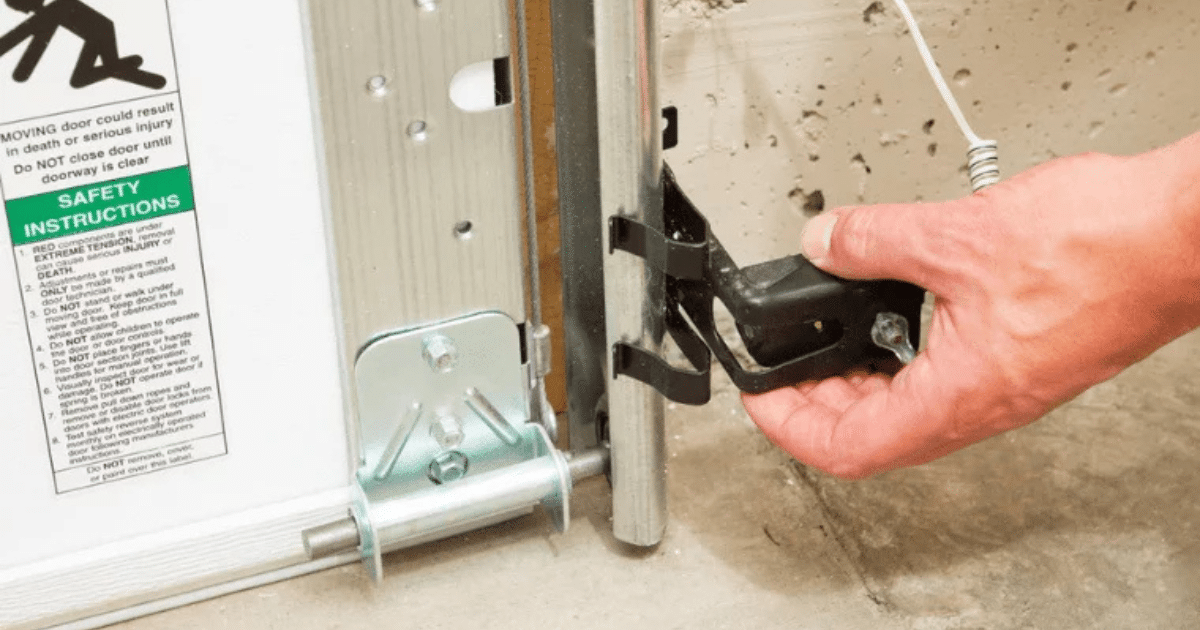
Ongoing sensor issues may indicate that cleaning or minor adjustments are no longer enough and that the garage door sensor system requires professional inspection.
Situations that may require garage door sensor repair include:
- Damaged wiring connections that interrupt the signal between the sensors and the garage door opener.
- Faulty sensors that no longer detect the light beam consistently.
- Loose or misaligned sensor brackets prevent the transmitting and receiving eyes from maintaining alignment.
- Internal opener component problems, such as a failing logic board that cannot recognize the sensor signal.
- Persistent flashing or unstable sensor lights that continue even after alignment and cleaning checks.
A professional evaluation can determine whether the issue is due to wiring problems, faulty sensors, or other components affecting the garage door system.
How to Prevent Future Garage Door Sensor Problems
Routine sensor checks help prevent misalignment, debris buildup, and wiring issues that can interrupt the safety beam.
Simple prevention steps include:
- Keeping sensor lenses clean to prevent dust, spider webs, or debris from blocking the light beam.
- Avoiding bumps to the sensor brackets near the floor to prevent shifts in sensor alignment.
- Checking the beam path regularly to ensure stored items are not blocking the sensors.
- Inspecting wiring connections occasionally for loose or damaged wires near the sensors and opener.
- Scheduling periodic garage door maintenance to keep the entire system operating properly.
Regular checks and early attention to sensor lights help prevent recurring issues and support reliable door performance, which is often addressed during professional garage installations.
Check What Your Garage Door Sensor Lights Are Telling You
Garage door sensor lights provide important clues about how the garage door system is functioning. When garage door sensor lights change color, blink, or turn off, they often signal alignment problems, wiring issues, or aging sensors.
Affordable Garage Door Repairs of Indianapolis, LLC helps homeowners across Indianapolis with garage door sensor issues and restores proper sensor alignment. If your garage door sensor lights are blinking or displaying unusual colors, contact us or give us a call today to schedule a professional inspection.