
A broken garage door cable occurs when the steel cable that supports and moves the door snaps, frays, or slips off the drum. When that happens, the door loses its balance, becomes difficult to operate, and puts the entire garage door system at risk of further damage.
That damage shows up through specific signs, develops from identifiable causes, and can only be resolved through the correct garage door repair option. This guide walks through each one so the problem can be identified and addressed before it worsens.
What Does a Garage Door Cable Actually Do?
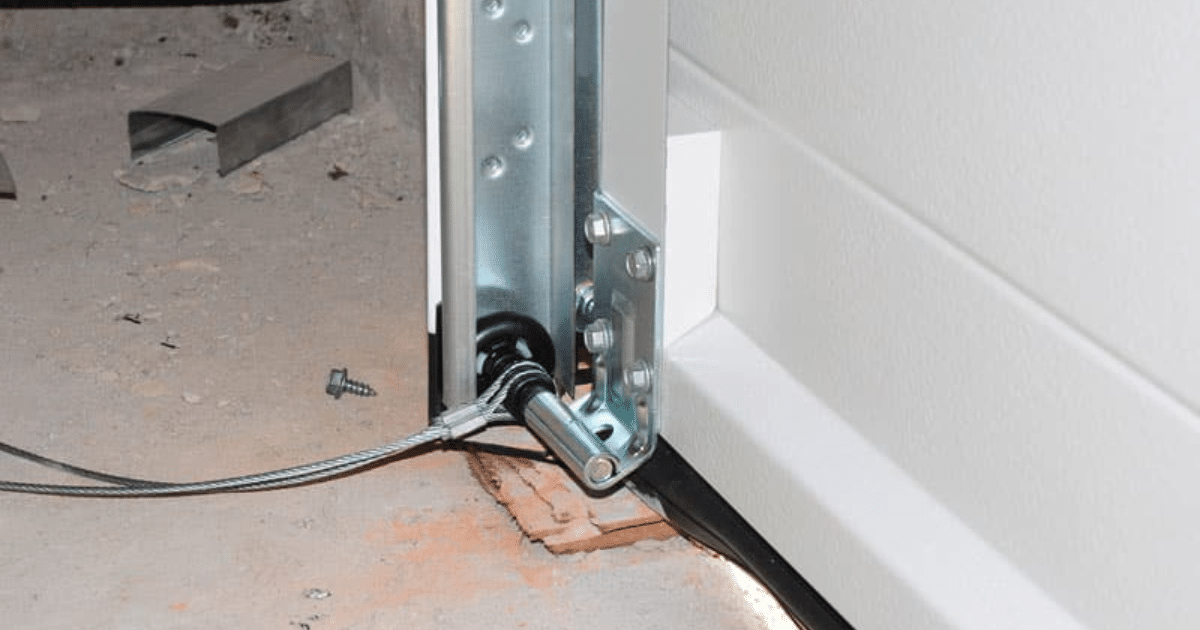
A garage door cable is a strong steel wire that runs along both sides of the door and works directly with the springs to carry the full weight of the door during every open and close cycle.
Several roles make the garage door cable a crucial part of the entire system:
- Cables connect to the bottom bracket at the base of the door and run up through the pulley and drum on each side
- They work in tandem with torsion springs or extension springs to counterbalance the weight of the door
- Lift cables keep the door moving evenly on both sides, so it does not tilt or drag during operation
- They absorb the tension released by the springs every time the door opens or closes
- When one cable fails, the door loses balance and puts excess stress on every other connected component
To understand what happens to the door and everyone around it when that balance is lost, read our guide on Is It Safe to Use a Garage Door With a Broken Cable?, which covers the risks homeowners face when a damaged cable is left unaddressed.
Common Signs of a Broken Garage Door Cable
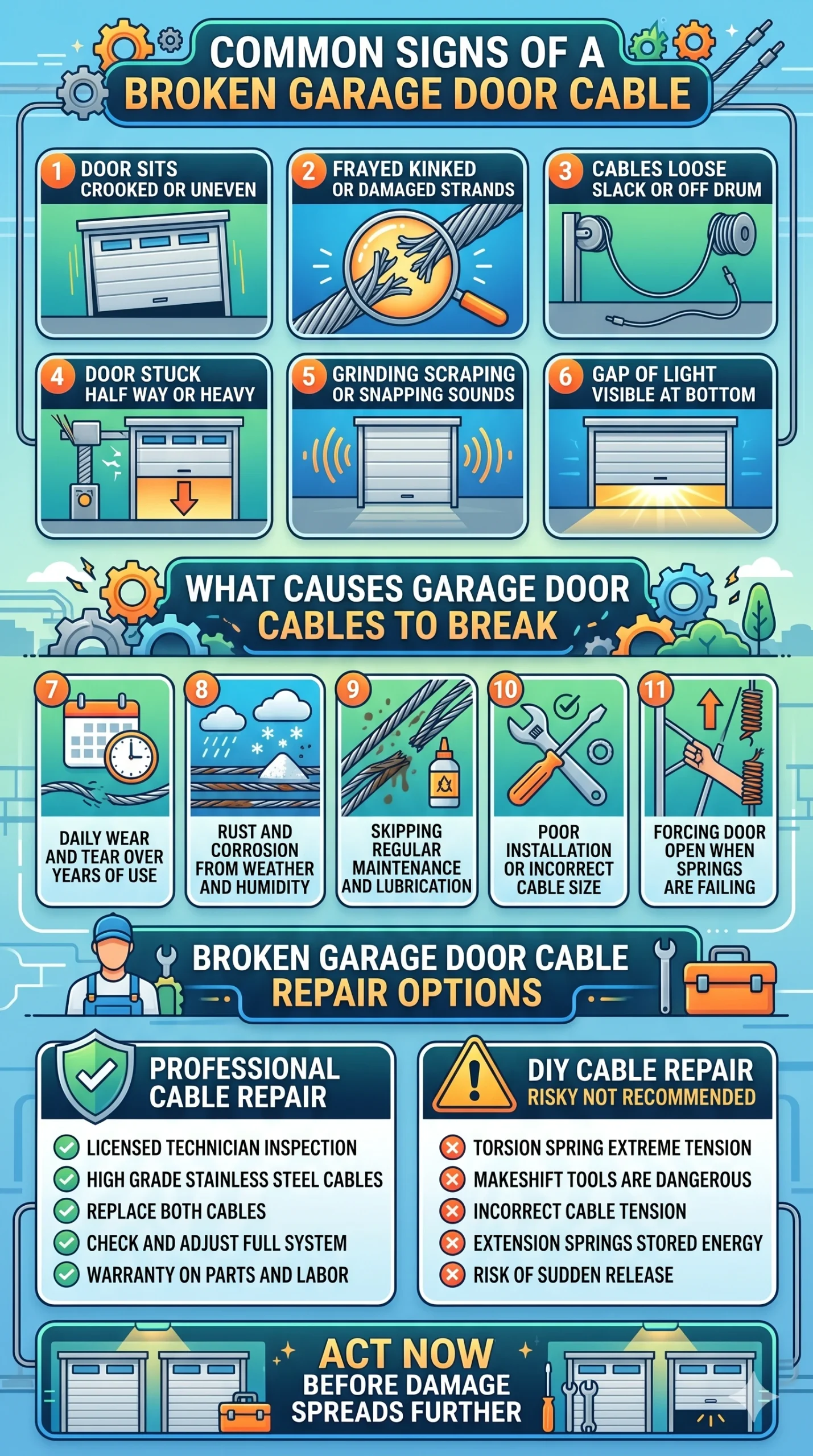
A broken garage door cable produces specific, visible warning signs that point directly to the problem inside the door system.
Watch out for these warning signs:
- The door sits crooked or uneven when opening, closing, or resting in a fully closed position
- Frayed, kinked, or visibly damaged strands are present along the cable surface
- Cables appear loose, slack, or have completely fallen off the drum or pulley
- The door gets stuck halfway, feels unusually heavy, or refuses to move at all
- Grinding, scraping, or snapping sounds occur during every operation cycle
- A gap of light is visible at the bottom of the door when it is fully closed
Identifying these signs early helps protect the full door system from reaching the point of a complete garage door replacement.
What Causes Garage Door Cables to Break?
Daily Wear and Tear Over Years of Use
Every open and closed cycle puts measurable tension on the cable until the metal fibers can no longer hold their original strength.
Common wear patterns that lead to cable failure include:
- Repeated tension cycles gradually stretch and weaken the cable strands over time
- Constant load from the weight of the door thins the cable fibers from the inside out
- Cables that have never been inspected or replaced break without any visible warning
- Years of daily operation push cables past their rated cycle lifespan
- Metal fatigue builds up silently until the cable can no longer hold tension
Understanding how cycle fatigue builds up is the first step in preventing a broken garage door cable.
Rust and Corrosion From Indianapolis Weather and Humidity
Indianapolis freeze-thaw cycles and seasonal humidity accelerate rust formation on exposed cable surfaces faster than normal wear alone.
Environmental factors that corrode and break garage door cables include:
- Moisture from rain, snow, and humidity penetrates cable strands and causes rust from within
- Freeze-thaw cycles force water into cable fibers and expand cracks in the metal
- Corrosion eats away at individual strands until the cable loses its tensile strength
- Cables exposed to winter road salt oxidize faster than cables in dry environments
- Humidity trapped inside the garage creates a consistently corrosive environment around the cables
Keeping garage door cables properly lubricated and protected is the most effective defense against rust-related cable failure in Indianapolis.
Skipping Regular Maintenance and Lubrication
Neglected cables wear out faster because friction, dirt buildup, and undetected damage compound over time without any intervention.
Maintenance gaps that cause garage door cables to break include:
- Missing regular cable lubrication increases friction against the drum and pulley during every cycle
- Dirt and debris grind against cable surfaces and accelerate metal degradation
- Undetected frays and kinks worsen with every cycle until the cable snaps
- Lack of inspection allows tension imbalances to overstress one side of the system
- Infrequent maintenance allows minor cable issues to grow into full system failures
Regular garage door maintenance is the most effective way to prevent garage door cable failure and costs far less than an emergency replacement.
Poor Installation or Incorrect Cable Size
Cables installed with the wrong gauge, length, or tension level are placed under uneven stress from the very first cycle.
Installation errors that directly cause cables to break include:
- Wrong cable diameter forces the cable to carry more load than it was rated for
- Improper winding around the drum creates pressure points where fraying starts early
- Incorrect anchoring at the bottom bracket pulls the cable at damaging angles
- Low-quality cables from unreliable suppliers fail far sooner than high-grade alternatives
- Tension set incorrectly during installation throws the full system off balance
Poor installation shortens the cable’s lifespan, regardless of how well the door is maintained afterward.
Forcing the Door Open When Springs Are Already Failing
Operating a garage door with worn or broken springs transfers the full weight of the door directly onto the cables.
Ways that forced operation causes garage door cables to break include:
- Manually pulling the door open with compromised springs instantly overloads the cables
- Running the opener against a spring-failed door forces cables to absorb unintended impact
- Cables stretch beyond rated capacity when compensating for a failing spring
- Repeated forced cycles compound cable stress until it snaps under the load
- Continued operation after a known spring problem accelerates damage on both sides
Forcing a door with failing springs almost always turns a single broken garage door spring issue into a much larger, more expensive cable-replacement job.
Broken Garage Door Cable Repair Options Explained
Professional Cable Repair — the Safest and Most Recommended Option
Hiring a licensed technician for a broken garage door cable repair is the most reliable way to restore full door function without putting anyone at risk.
What professional garage door cable repair typically involves:
- Licensed technicians inspect the full door system before replacing any cable
- High-grade stainless steel or galvanized cables are used for long-term durability
- Both cables are replaced at the same time to maintain door balance
- Torsion springs and drums are checked and adjusted during the same visit
- Most professional repairs include a warranty on parts and labor
Professional garage door repair services handle the high-tension components that make cable replacement dangerous for anyone without proper training and equipment.
DIY Cable Repair — a Risky Option That’s Not Recommended for Most
Repairing a broken garage door cable without professional training puts both the door system and personal safety at serious risk.
Reasons DIY cable repair carries significant risk:
- Torsion springs store extreme tension that releases violently without proper tools
- Makeshift tools used in place of winding bars increase the chance of sudden release
- Incorrect cable tension causes uneven operation and damages the opener
- Extension springs still carry enough stored energy to cause injury
- Replacing only one cable leads to premature failure on the opposite side
Attempting DIY garage door cable repair without proper training almost always results in further damage or a more expensive repair.
Garage Door Cable Repair vs. Replacement: Which One Do You Need?
Getting the correct diagnosis for a broken garage door cable determines whether a repair or a full garage door cable replacement is the right course of action.
Factor | Repair | Replacement |
Cable condition | Slipped off drum or minor damage | Snapped, frayed, or heavily corroded |
Cable age | Relatively new with years of life left | Old cable nearing or past its lifespan |
Door balance | Mostly balanced, with minor adjustments needed | Uneven operation on both sides of the door |
Cost | Lower average cost for minor fixes | Higher average cost, but prevents recurring issues |
Recommendation | When damage is isolated and caught early | When the cable can no longer hold proper tension |
To know exactly what to do the moment a garage door cable fails, read our guide on Broken Garage Door Cable: What to Do in an Emergency, which walks through the immediate steps homeowners need to take before the damage worsens.
Garage Door Cable Maintenance and Prevention Tips for Indianapolis Homeowners
Proper maintenance is the most effective way to extend the lifespan of garage door cables and avoid unexpected failures throughout the year.
Keep garage door cables in good condition by:
- Scheduling a professional inspection at least once a year to catch cable wear early
- Applying silicone-based lubricant to cables, springs, and pulleys every six months
- Inspecting cables monthly for fraying, kinking, rust, or slack near the drum
- Testing the door balance by disconnecting the opener and lifting manually halfway
- Addressing spring issues immediately to prevent cables from snapping under excess load
To get the full picture on keeping garage door cables in top condition, read our guide on Broken Garage Door Cable: Prevention and Maintenance Tips, which covers every maintenance step needed to prevent cable failure year-round.
Act Now Before a Broken Garage Door Cable Becomes a Bigger Problem
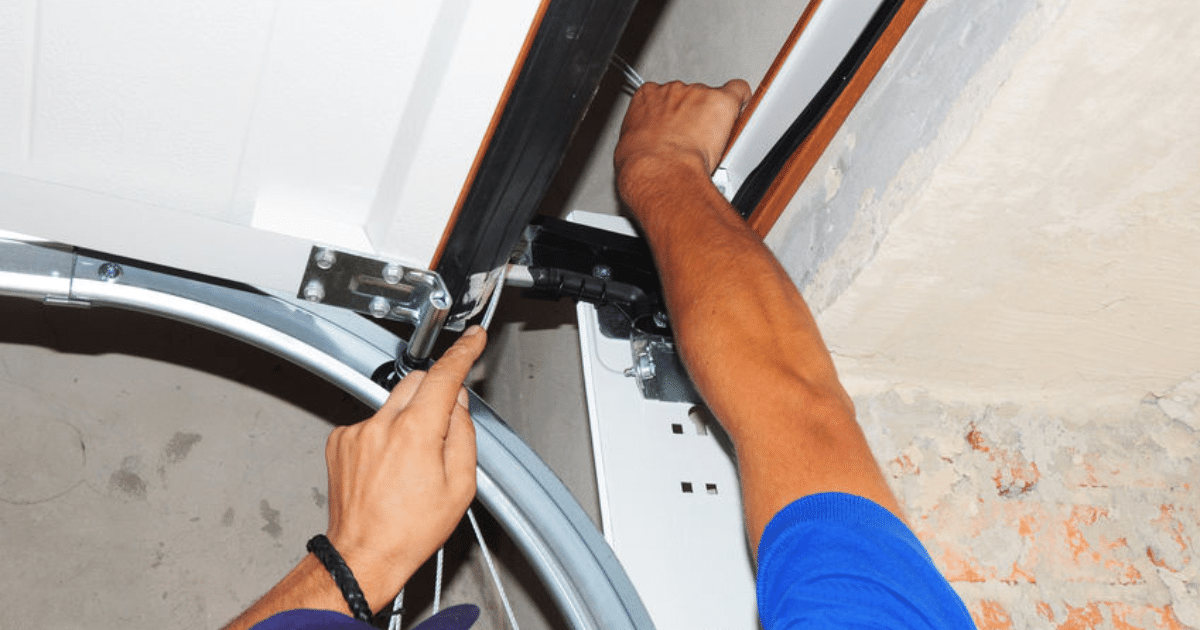
Addressing a broken garage door cable early prevents a minor repair from turning into a full system replacement, which costs significantly more time and money. Catching the signs, identifying the cause, and choosing the correct repair option are the three steps that keep the entire garage door system protected.
Affordable Garage Door Repairs of Indianapolis, LLC proudly serves homeowners throughout Indianapolis, IN, with professional garage door cable repair and replacement services. Contact us or give us a call today, and let our trained technicians resolve your broken garage door cable before the damage spreads further.