
When garage door sensor lights stop working, the automatic garage door may refuse to close or suddenly reverse during operation. Knowing what to check when this happens helps homeowners understand how the garage door system responds to sensor problems.
Several issues can interrupt the signal between the sensors and the garage door opener, which prevents the door from operating normally. Recognizing these situations early helps homeowners decide when professional garage door repair may be needed to restore normal operation.
Why Do Garage Door Sensor Lights Stop Working in Indianapolis Homes?
Garage door sensor lights usually indicate whether the safety system is communicating correctly with the opener, and when these lights stop working, the garage door system may interrupt normal operation until the signal between the sensors is restored.
Common conditions that may interrupt sensor operation include:
- The power supply to the sensors is interrupted after a power outage or electrical fluctuation.
- Loose connections or a broken wire prevent the sensors from sending signals to the opener.
- Dirt, dust, or spider webs on the sensor lenses weaken the infrared beam between the sensors.
- Direct sunlight or sunlight interference affects the receiving eye during certain times of the day.
- Sensor alignment shifts slightly after repeated cycles of the garage door.
To understand how sensor indicator lights normally behave and what different signals mean, read our guide on What Color Should Garage Door Sensor Lights Be?, which explains how these lights show whether the sensors are communicating properly.
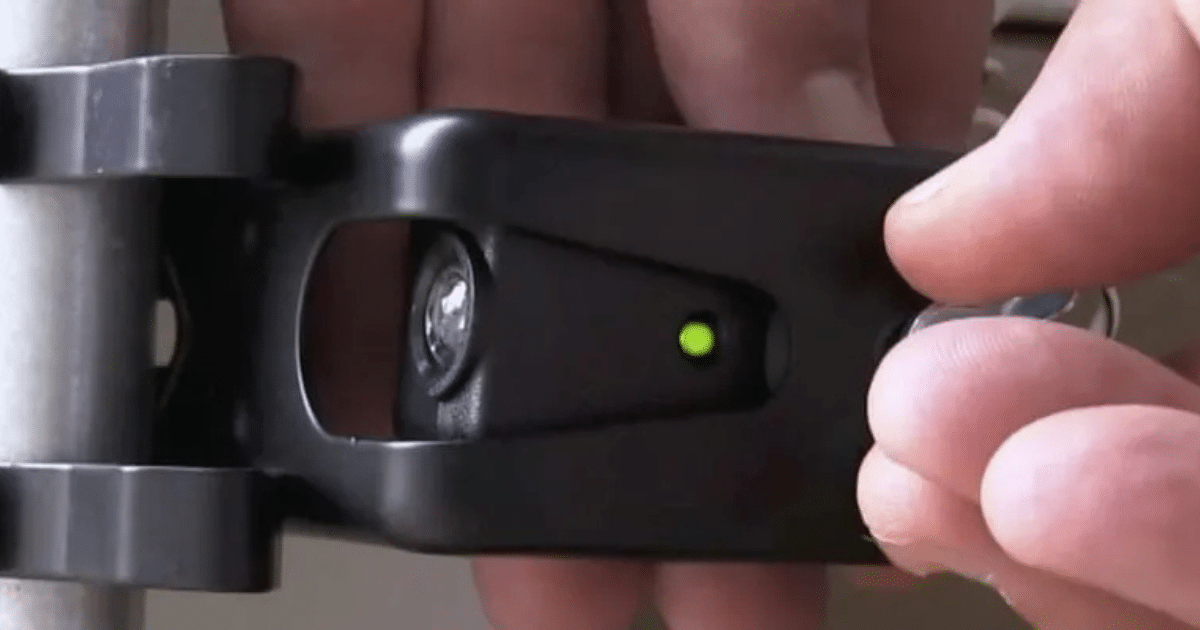
What Different Sensor Light Colors May Indicate
Garage door sensor lights often use color signals to show whether the sensors are transmitting, receiving, or experiencing communication interruptions within the garage door system.
Sensor Light Color | What It May Indicate |
Green Light | The receiving sensor is detecting the infrared beam correctly and confirming proper alignment between the sensors. |
Red Light | The sending sensor is active and transmitting the beam across the opening toward the receiving eye. |
Yellow Light | The transmitting photo eye has power, but may not yet confirm a stable signal across the sensor path. |
Orange Lights | Some opener models display orange lights to indicate transmission status from the sending sensor. |
Flashing Light | Blinking indicators usually signal alignment changes, wiring interruptions, or temporary signal disruption. |
No Light | Power loss, wiring problems, or sensor failure may prevent the indicator lights from turning on. |
To find out why sensor lights blink during operation, read our guide on Why Are Garage Door Sensor Lights Blinking in Indianapolis?, which explains what these signals can reveal about sensor communication.
Common System Conditions That Can Affect Garage Door Sensor Lights
Several conditions within the garage door system can affect how garage door sensor lights operate and communicate with the opener during normal garage door operation and closing cycles.
Conditions that may affect sensor performance include:
- Weather and temperature changes in Indianapolis can cause small shifts in metal brackets and sensor alignment.
- Loose mounting hardware near the bottom track may slightly move the sensor position after repeated door cycles.
- Electrical interference from nearby equipment can interrupt the signal between the transmitting and receiving sensors.
- Aging components inside the opener may weaken communication between the safety sensors and the control system.
- Gradual wear within the garage door system can affect how reliably the sensors detect the light beam.
To explore the underlying issues that often disrupt sensor signals, read our guide on What Problems Cause Garage Door Sensor Lights to Fail?, which explains the system conditions that commonly lead to sensor failures.
What to Do When Garage Door Sensor Lights Stop Working
Check the Power Supply to the Garage Door Safety Sensor
Loss of electrical power can prevent the garage door sensor lights from turning on, interrupting communication between the transmitting eye and the receiving eye in the garage door system.
Power-related conditions to review include:
- Power supply to the garage door opener becomes unstable after a power outage.
- An electrical interruption caused by a power surge affects the logic board inside the opener.
- Sensor wiring disconnects slightly near the side of the garage door track.
- Terminal connections loosen where the sensor wires attach to the opener unit.
- Indicator lights remain dark even though the wall button still activates the door.
Stable power must reach the sensors so the safety beams operate properly, and recurring electrical interruptions may indicate issues requiring garage door opener repairs to restore system communication.
Inspect the Alignment of the Garage Door Safety Sensor Units
Accurate sensor alignment allows the infrared beam to travel between photo eye sensors, which is required for the garage door opener to confirm that the door’s path remains unobstructed.
Alignment conditions worth examining include:
- Both sensors sit evenly on each side of the garage door opening.
- Mounting brackets hold the transmitting eye and receiving eye at the same height.
- Sensor alignment shifts after repeated operation of the overhead doors.
- Slight bracket movement changes the angle of the beam of light.
- Indicator lights appear uneven, with a steady green light on one sensor and no signal on the opposite unit.
Sensor lights may stop working when alignment shifts or wiring loosens, and Chamberlain explains that clearing obstructions, adjusting the sensors, and confirming wiring connections often restore steady LED indicators.
Look for Obstructions Blocking the Sensor Beam
Objects or debris positioned near the bottom of the door opening can interrupt the light beam between sensors and prevent the automatic garage door from completing a closing cycle.
Conditions that commonly interrupt the beam include:
- Storage items are placed too close to the door’s path.
- Spider webs are stretching across the photo eye sensors.
- Dust buildup is collecting on the sensor lenses near the floor.
- A misplaced piece of cardboard is leaning against the wall near the sensors.
- Light beam disruption caused by tools or equipment stored nearby.
Removing obstructions allows the light beam to travel properly between the sensors, helping the opener detect a clear path across the opening and restore normal garage door operation during closing cycles.
Check Wiring Connections for Signs of Damage
Low-voltage wiring carries signals between the sensors and the opener, and damaged wires or loose connections can interrupt that signal and prevent the sensor lights from working properly.
Signs of wiring problems may include:
- Loose connections at the terminals of the garage door opener.
- A broken wire running along the wall or ceiling.
- Staples are pressing too tightly against the wiring during installation.
- Visible wear where wiring passes along the side of the garage door track.
- Sensor lights flicker whenever the door begins moving.
Stable wiring allows signals to travel properly between the sensors and the opener, and identifying worn wiring early during routine garage door maintenance helps prevent sensor communication failures during normal door cycles.
Inspect the Sensor Lens for Dirt or Moisture
Clear sensor lenses allow the infrared beam to travel between the transmitting and receiving eyes, while dirt or moisture on the lens surface can weaken the signal and disrupt sensor communication.
Conditions affecting sensor lenses may include:
- Dust buildup forms on the lens surface after long periods without garage door maintenance.
- Smudges or residue covering the sensor lenses near the floor.
- Moisture forms on the lens during seasonal changes in humidity.
- Cleaning materials leave streaks on the sensor surface.
- The light signal weakens when lenses remain coated with debris.
Gently cleaning the lenses with a soft cloth or dry cloth helps restore a strong sensor signal between the units and supports consistent, reliable operation of the garage door safety system during normal door cycles.
Evaluate the Opener System for Communication Issues
Internal communication within the garage door opener can sometimes interrupt sensor signals even when the sensors appear functional, which may cause the system to respond unexpectedly during operation.
Situations that may indicate opener-related problems include:
- Indicator lights are showing an unusual flashing light pattern.
- The opener displays an error code during operation.
- The garage door manual lists sensor errors linked to the logic board.
- Closing cycles stop suddenly, even though the beam path appears unobstructed.
- Signals from the transmitting photo eye are not reaching the opener receiver.
According to Chamberlain, repeating LED flashes near the learn button function as built-in diagnostic codes that help identify communication problems, sensor signal interruptions, or internal faults within the garage door opener system.
When Garage Door Sensor Troubleshooting Indicates a Larger Problem
Certain warning signs during garage door sensor troubleshooting may indicate that the issue involves deeper problems within the garage door system rather than a simple sensor adjustment.
Situations that may point to a larger system problem include:
- Sensor lights remain off or behave inconsistently even after alignment and cleaning checks.
- The garage door refuses to close despite a clear path between the sensors.
- Repeated flashing light patterns or error codes appear on the garage door opener.
- Wiring damage or loose connections prevent signals from reaching the opener.
- The opener fails to recognize the safety beam, suggesting internal communication issues.
Persistent sensor failures or recurring system errors may signal deeper mechanical or electrical wear, prompting homeowners to consider replacing the garage door when it no longer closes or functions properly.
What Influences Garage Door Sensor Repair Cost
Garage door sensor repair costs can vary depending on the condition of the sensors, wiring, and other components of the garage door system.
Factors that often influence repair costs include:
- The type of garage door sensor installed, since different manufacturers use different sensor models and compatibility requirements.
- Condition of the wiring and connections, especially if damaged wires or loose terminals affect sensor communication.
- Age and model of the garage door opener may require compatible replacement sensors or additional adjustments.
- Extent of sensor damage or failure, including situations where replacement sensors are required instead of simple repairs.
Understanding these factors helps explain why the average cost of garage door sensor repair may vary by garage door system.
How Routine Maintenance Helps Prevent Sensor Light Failures
Routine garage door maintenance helps keep garage door sensor lights working properly by reducing conditions that interrupt the safety beam or affect sensor communication.
Maintenance practices that help prevent sensor light failures include:
- Keeping the sensor area clean, removing dust, spider webs, or debris that may block the infrared beam.
- Checking sensor alignment periodically, especially after heavy garage use or seasonal temperature changes.
- Inspecting wiring connections, making sure sensor wires remain secure and free from visible wear.
- Watching indicator lights during normal door cycles can reveal early sensor problems before they affect operation.
Regular inspection of these components helps maintain consistent sensor communication and supports reliable garage door operation.
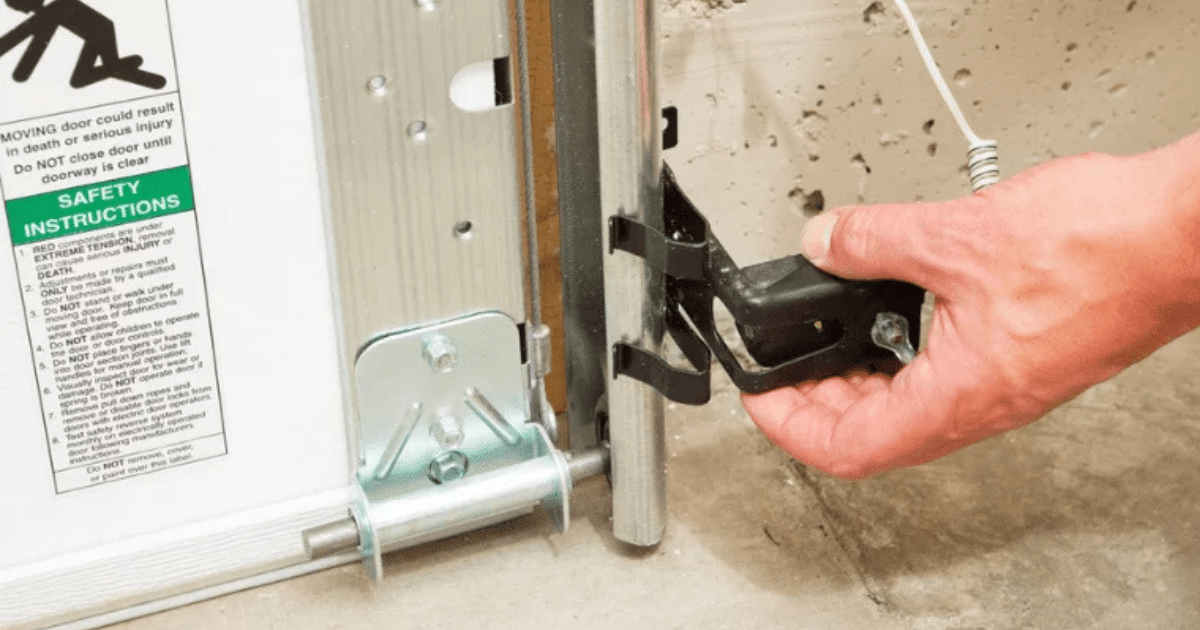
Take Action When Garage Door Sensor Lights Stop Working
Garage door sensor lights help the garage door system detect obstructions and support proper operation during closing cycles. When garage door sensor lights stop working, the opener may prevent the door from closing or respond unpredictably due to communication problems within the system.
Affordable Garage Door Repairs of Indianapolis, LLC provides professional garage door service for homeowners dealing with garage door sensor problems or other system issues. If your garage door sensor lights stop working or the door is not operating as expected, contact us or give us a call today to schedule a professional inspection.