
Garage door sensor lights may stop working when electrical faults, damaged wiring, or worn components interrupt communication within the garage door system. These failures can prevent the safety sensors from maintaining a steady infrared beam across the door’s path.
In many cases, these issues stem from wiring problems, environmental exposure, or aging parts that affect communication with the garage door opener. When these conditions appear, they often signal garage door sensor problems that may require professional garage door repair.
Why Are Garage Door Sensor Lights Blinking in Indianapolis?
Garage door sensor lights may begin blinking when the safety sensors detect alignment changes, electrical interruptions, or signal interference that prevents the infrared beam from traveling correctly between the transmitting eye and receiving eye.
Common reasons blinking sensor lights appear include:
- The garage door safety sensor becomes slightly misaligned after vibration or accidental contact.
- Dust, spider webs, or debris accumulate around the sensor lenses, weakening the light beam.
- Sunlight interference disrupts the infrared signal between the photo eye sensors.
- Loose connections or wiring issues interrupt communication with the garage door opener.
- Aging sensor components cause the indicator lights to flash when the signal becomes unstable.
To understand how these alignment changes and wiring interruptions lead to blinking signals, read our guide on Why Are Garage Door Sensor Lights Blinking in Indianapolis?, which explains the blinking patterns homeowners often notice.
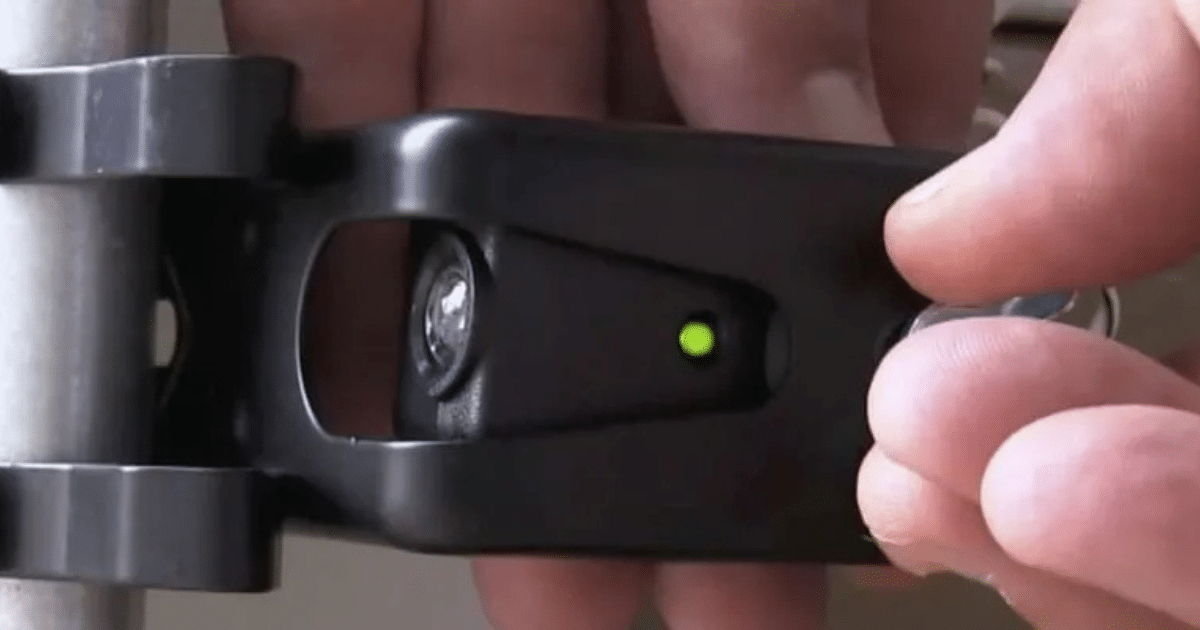
Mechanical and Electrical Problems That Cause Garage Door Sensor Lights to Fail
Faulty Garage Door Safety Sensor Circuit
Electrical wear in a garage door safety sensor can disrupt communication between the transmitting and receiving photo eyes, preventing a stable light beam across the system.
Indicators that the sensor circuit may be failing include:
- Yellow or green indicator lights appear on one sensor but not on the opposite unit.
- Flashing light patterns occur even though the beam path remains unobstructed.
- Opening cycles function normally, while closing cycles stop halfway.
- Error code messages appear on newer garage door opener systems.
- Replacement sensors restore operation temporarily before the issue returns.
According to Chamberlain, garage door safety sensors send an invisible beam from the transmitting sensor to the receiving sensor, and circuit problems can stop that beam from reaching the opposite unit.
Damaged Wiring Interrupting Sensor Communication
Wiring issues along the side of the garage door can prevent safety sensors from sending a stable infrared beam to the garage door opener.
Situations that commonly interrupt sensor communication include:
- Broken wire sections caused by accidental impact from stored items.
- Loose connections forming near sensor terminals or opener wiring ports.
- Corrosion affecting exposed wiring in humid garage environments.
- Rodents are damaging low-voltage sensor cables near the floor.
- Frayed wiring insulation, allowing electrical interference.
Persistent wiring damage can disrupt how the opener receives signals from the sensors, and some situations are better handled by technicians experienced in garage door opener repairs.
Power Supply Issues Affecting Sensor Operation
Stable electrical flow is required for garage door sensor lights to operate properly within an automatic garage door system.
Common electrical conditions affecting sensor operation include:
- Power outage resetting the opener and interrupting sensor communication.
- Power surge is damaging low-voltage electronics inside the sensors.
- Weak voltage reaching the sensors due to aging electrical connections.
- The intermittent power supply is affecting the indicator lights on the sensors.
- Unstable current is affecting how safety sensors communicate with the opener.
Power issues, such as unstable voltage or outages, can disrupt communication between the garage door sensor lights and the opener.
Garage Door Opener Logic Board Problems
Communication between the garage door opener and the safety sensors relies on the internal logic board, which processes signals from the sensor lights.
Signs that opener electronics may be failing include:
- Wall button commands activate the opener, but the door still refuses to close.
- Sensor lights remain steady, yet the opener cancels the closing cycle.
- Indicator lights behave normally, but the door reverses unexpectedly.
- Repeated flashing light patterns occur without visible sensor alignment problems.
- Diagnostic systems display error code messages related to sensor communication.
Chamberlain explains that some garage door openers display flashing diagnostic codes when the logic board or connected sensor wiring develops a problem that interrupts normal sensor communication.
Moisture and Environmental Exposure Affecting Sensor Components in Indianapolis
Seasonal conditions in Indianapolis garages can gradually affect sensor components and weaken the infrared beam between safety sensors.
Environmental factors that contribute to sensor problems include:
- Spider webs are forming around sensor lenses near the floor.
- Dust accumulation weakens the transmitting eye signal.
- Sunlight interference affects sensors exposed to direct sunlight.
- Humidity entering sensor housings and affecting electronics.
- Temperature changes affect the alignment of photo eye sensors.
Over time, dust, humidity, and sunlight exposure can affect sensor performance, which is why routine garage door maintenance helps keep sensor components functioning correctly.
Sensor Lens Damage Prevents Proper Beam Transmission
Damage to the sensor lenses can weaken the light beam required by garage door safety sensors to confirm an unobstructed path.
Warning signs of lens damage may include:
- Scratched lenses scatter the infrared beam before reaching the receiving eye.
- Cracked plastic covers allow dust and moisture inside the sensor housing.
- Dirt buildup affecting the transmitted photo-eye signal.
- Lens misalignment shifts the beam away from the receiving sensor.
- An obstruction near the floor is disrupting safety beams across the opening.
Regular maintenance, such as wiping sensor lenses with a soft cloth or dry cloth, can help prevent debris from weakening the infrared signal.
Compatibility Issues Between the Opener and Safety Sensors
Compatibility conflicts sometimes appear when sensors from different manufacturers are connected to an older garage door opener.
Situations that create compatibility problems include:
- Replacement sensors were installed without matching the garage door manufacturer’s specifications.
- Older overhead doors use outdated safety sensor technology.
- Wiring configurations that do not match the garage door manual.
- Sensor models designed for different opener communication protocols.
- Installation errors affect how the transmitting eye and receiving eye communicate.
Incorrect sensor models or mismatched hardware can prevent the opener from recognizing safety signals, sometimes leading homeowners to consider garage door replacement when sensors are no longer compatible.
How Garage Door Sensor Lights Show Different Failure Signals
Different garage door sensor lights can indicate alignment issues, electrical interruptions, or sensor communication problems within the garage door system.
Sensor Light Signal | What It May Indicate |
The yellow sensor light stays on while the opposite unit has no confirmation light | The transmitting photo eye has power, but the receiving sensor is not detecting the infrared beam. |
Orange lights appear on the sensor unit | Electrical problems or unstable voltage may be affecting sensor communication. |
A green light appears on one sensor, but it flickers or disappears | Misalignment between safety sensors may interrupt the light beam across the door opening. |
Flashing light patterns appear on the opener or sensor unit | Wiring issues or system errors may interrupt communication between sensors and the garage door opener. |
No sensor lights appear on either unit | Power supply interruptions or wiring damage may prevent sensors from operating. |
To learn what these indicator lights mean and how different sensor colors signal normal or abnormal operation, read our guide on What Color Should Garage Door Sensor Lights Be?, which explains how garage door sensor lights communicate system status.
Garage Door Sensor Troubleshooting That Reveals Opener or Wiring Problems
Garage door sensor troubleshooting can reveal wiring faults or opener issues that interrupt communication between safety sensors and the garage door opener.
- Sensor lights stay on, but the door will not close, indicating the opener may not receive the sensor signal because of wiring issues or a bad connection.
- The garage door begins to close and then reverses, suggesting that sensor communication is interrupted by loose wiring or faulty opener electronics.
- Indicator lights flicker during operation, which may signal unstable wiring connections between the sensors and the opener.
- The wall button operates the door, but the sensors do not respond, suggesting opener electronics or wiring issues that prevent the system from recognizing them.
Patterns like these during troubleshooting often point to wiring faults or opener problems affecting normal garage door operation.
Situations That Usually Require Garage Door Sensor Repair
Persistent sensor issues or electrical faults can prevent garage door sensor lights from working properly and may require professional repair.
- Sensor lights turn off completely, which may indicate power loss or damaged wiring interrupting communication with the opener.
- Sensors remain misaligned even after adjustment, suggesting worn brackets or loose mounting hardware that are affecting the photo eye’s position.
- The door repeatedly reverses during closing cycles, indicating faulty sensors that cannot maintain a stable infrared beam across the opening.
- Wiring around the sensors becomes loose or damaged, interrupting the signal between safety sensors and the garage door opener.
Conditions like these often point to sensor or wiring failures that require professional inspection to restore normal garage door operation.
How Preventive Checks Help Reduce Garage Door Sensor Failure
Routine checks around the garage door system can help reduce sensor problems and keep garage door sensor lights working properly.
- Clean sensor lenses regularly to prevent dust or spider webs from weakening the light beam.
- Keep the door’s path clear so objects do not interrupt the infrared beam between sensors.
- Check mounting brackets and loose screws that may affect sensor alignment.
- Observe indicator lights during normal operation to notice early sensor issues.
- Schedule regular maintenance inspections to identify sensor or wiring problems before they affect door operation.
To know the steps professionals take when sensor lights stop responding or the door will not close properly, read our guide on What to Do When Garage Door Sensor Lights Stop Working, which outlines how technicians diagnose sensor problems.
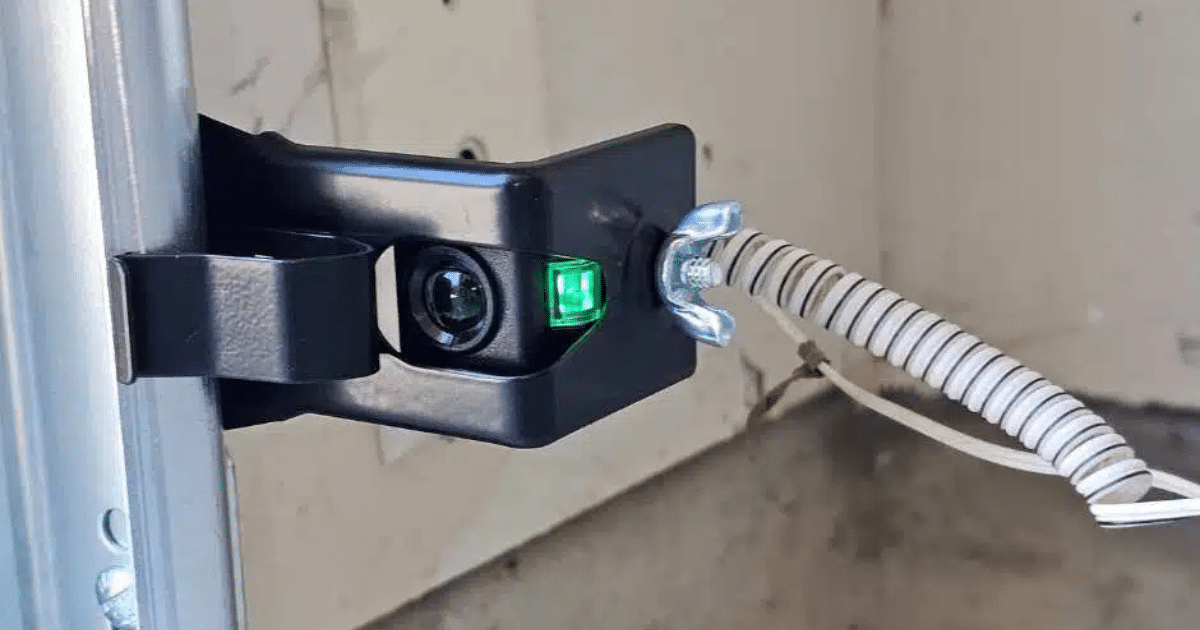
Get Help Fixing Problems That Cause Garage Door Sensor Lights to Fail
Problems that cause garage door sensor lights to fail often begin with warning signs such as blinking indicator lights, wiring interruptions, or sensor alignment issues within the garage door system. Recognizing these signals early can help homeowners in Indianapolis prevent larger garage door problems and maintain reliable door operation.
Affordable Garage Door Repairs of Indianapolis, LLC provides experienced garage door service for homeowners dealing with garage door sensor problems, opener communication failures, and wiring issues. If your garage door sensor lights are not working properly, contact us or give us a call today to schedule professional garage door service and restore safe, reliable operation.